
Why Compatibility Matters in Type 2 Helmet Systems
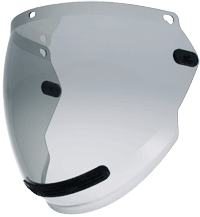
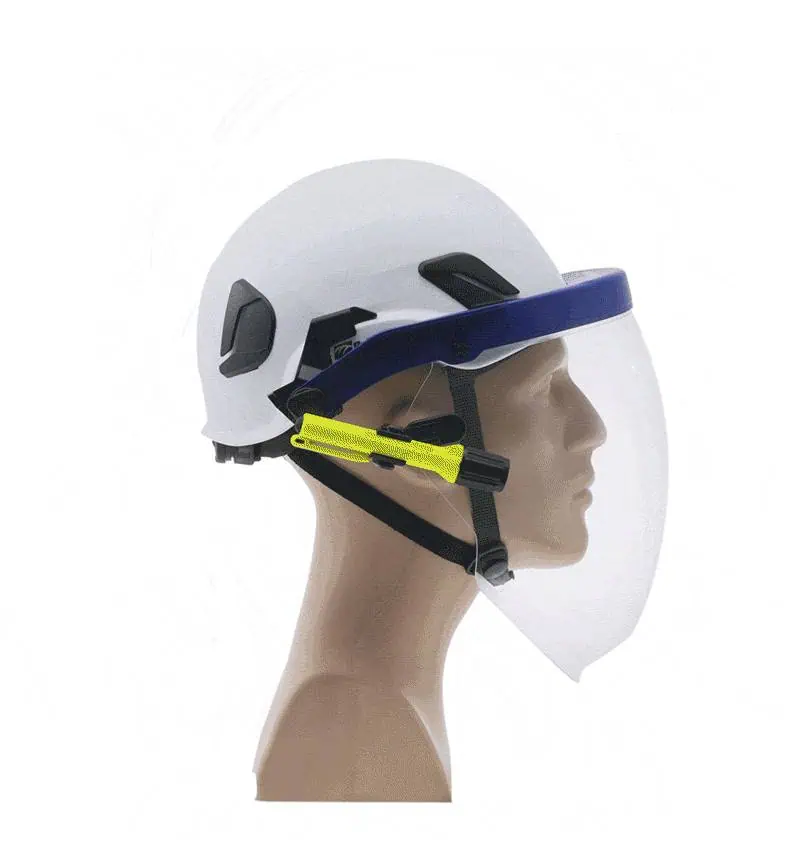
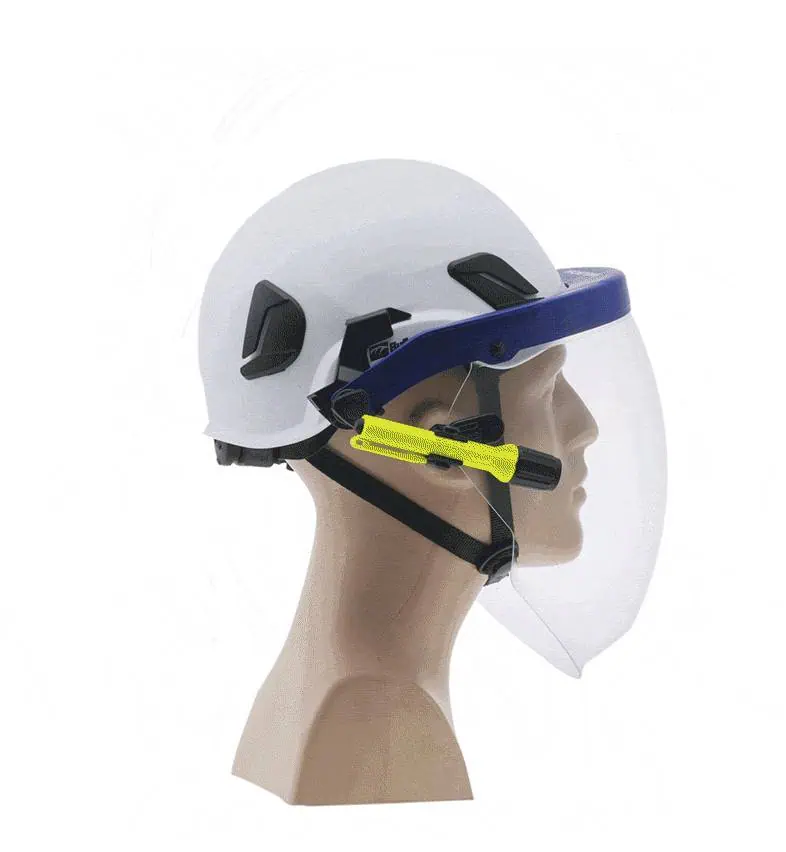
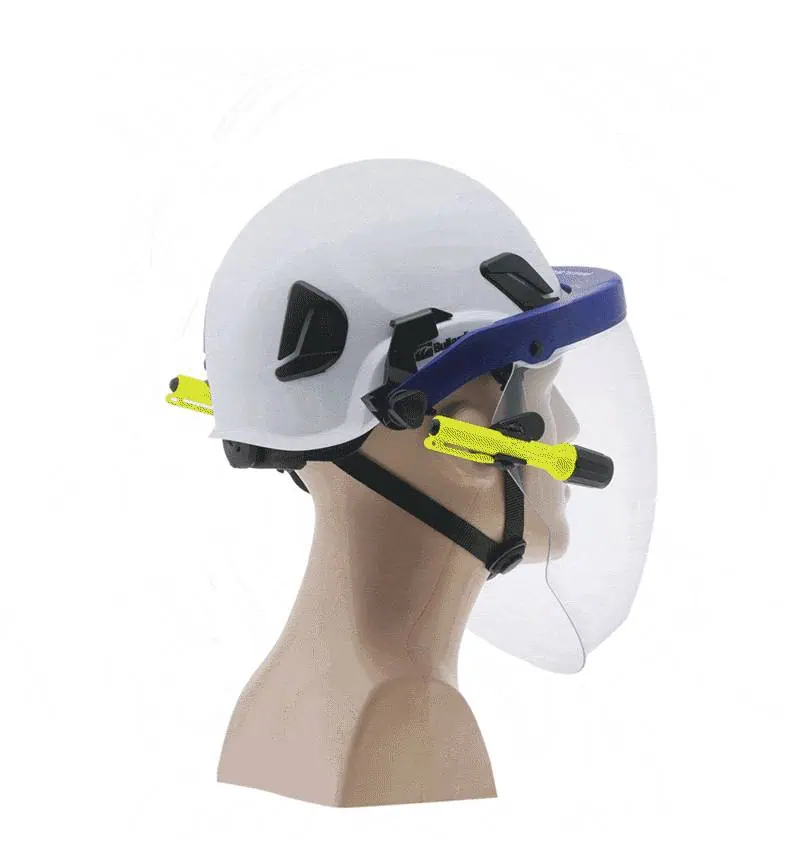
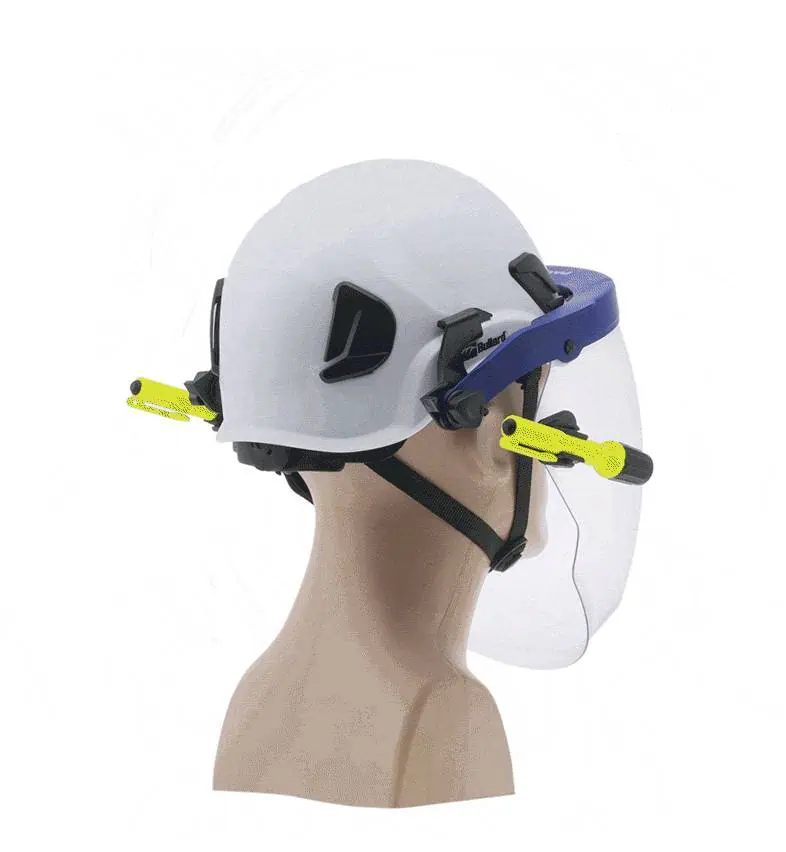
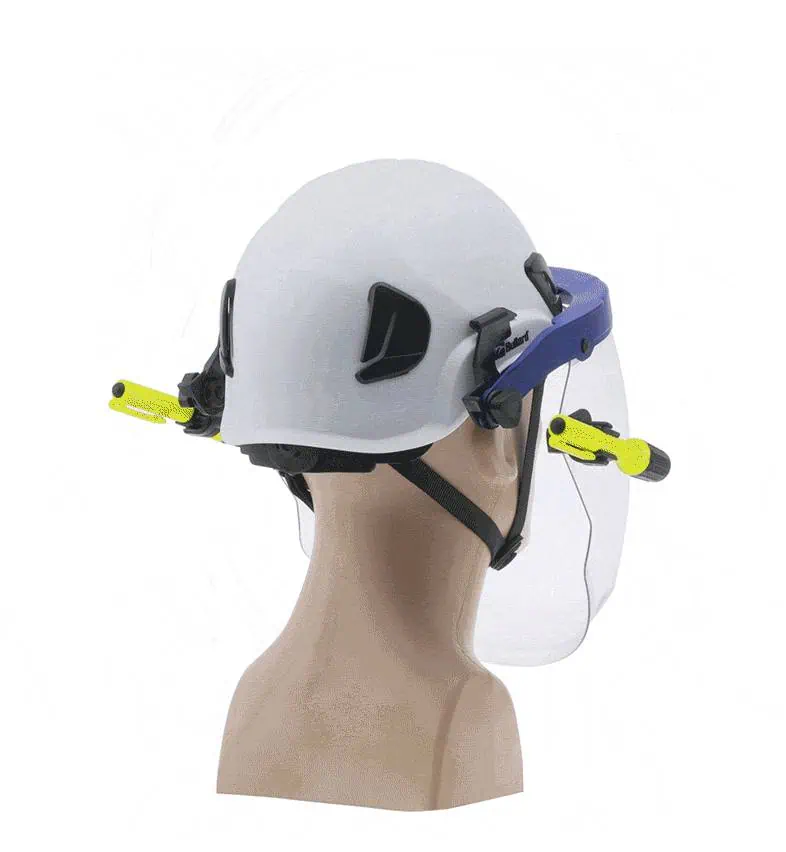
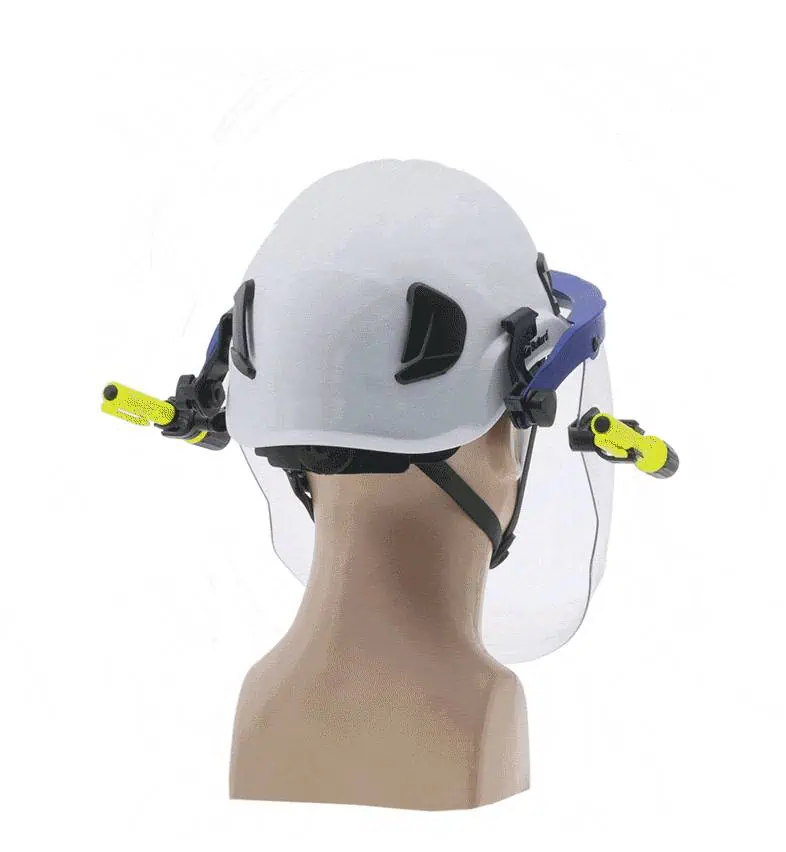
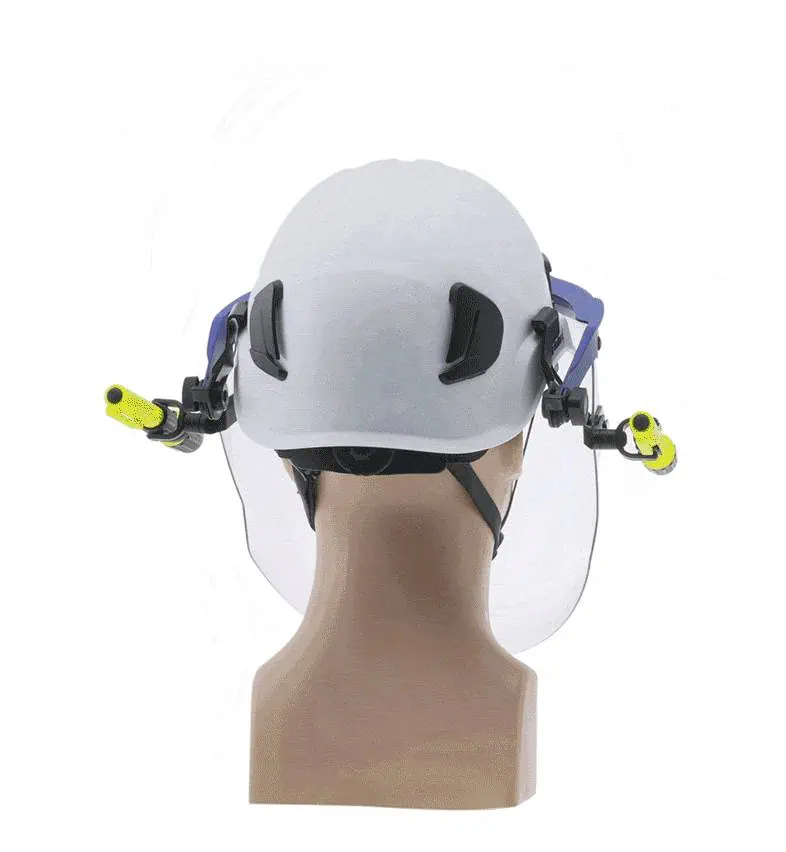
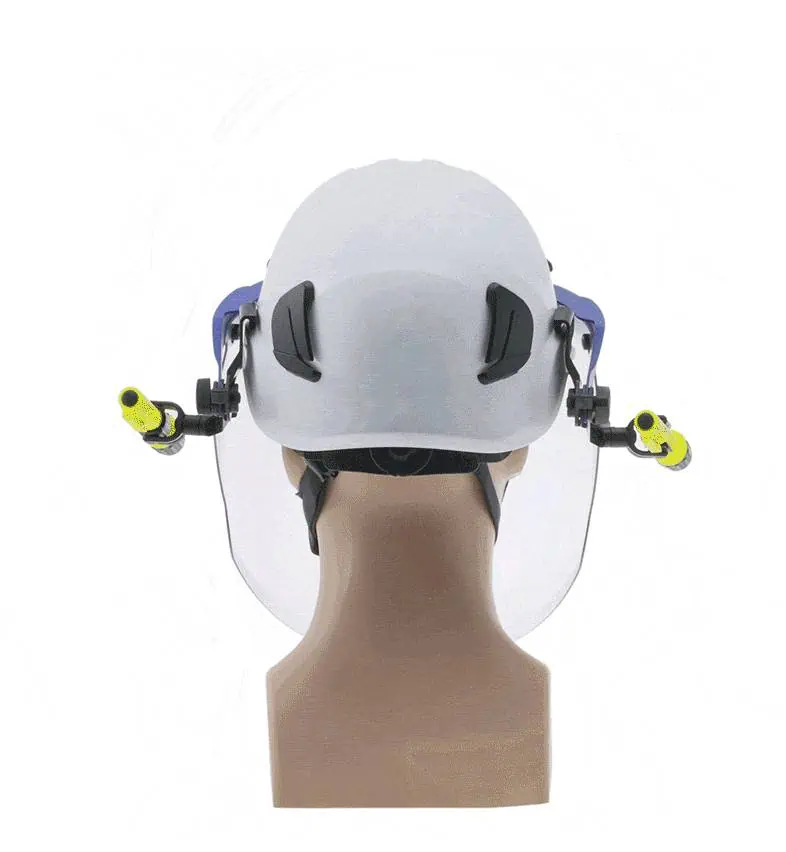
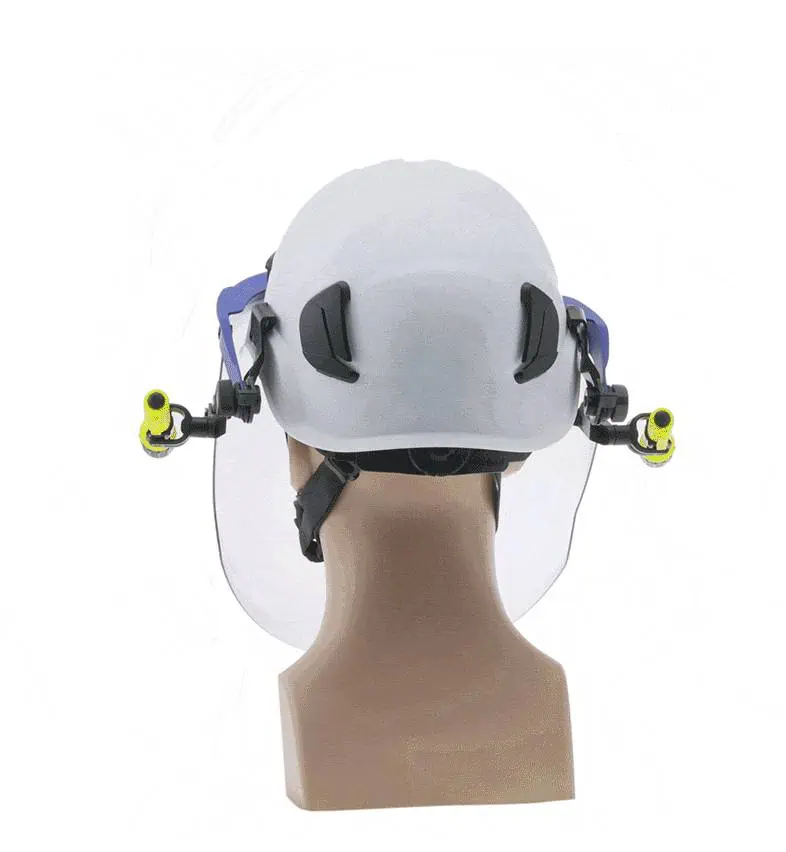
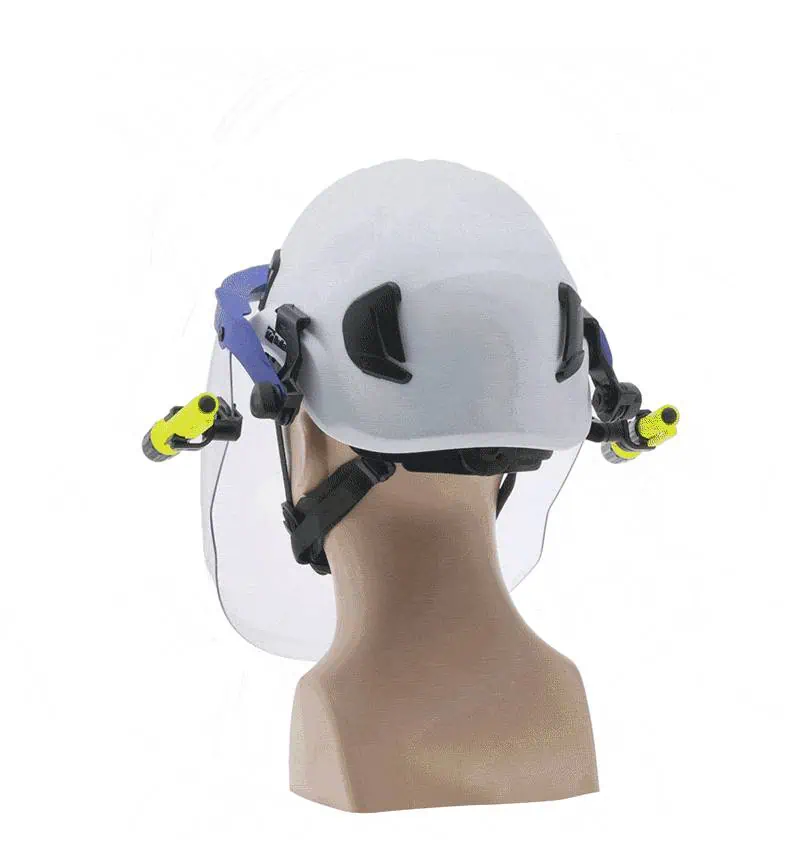
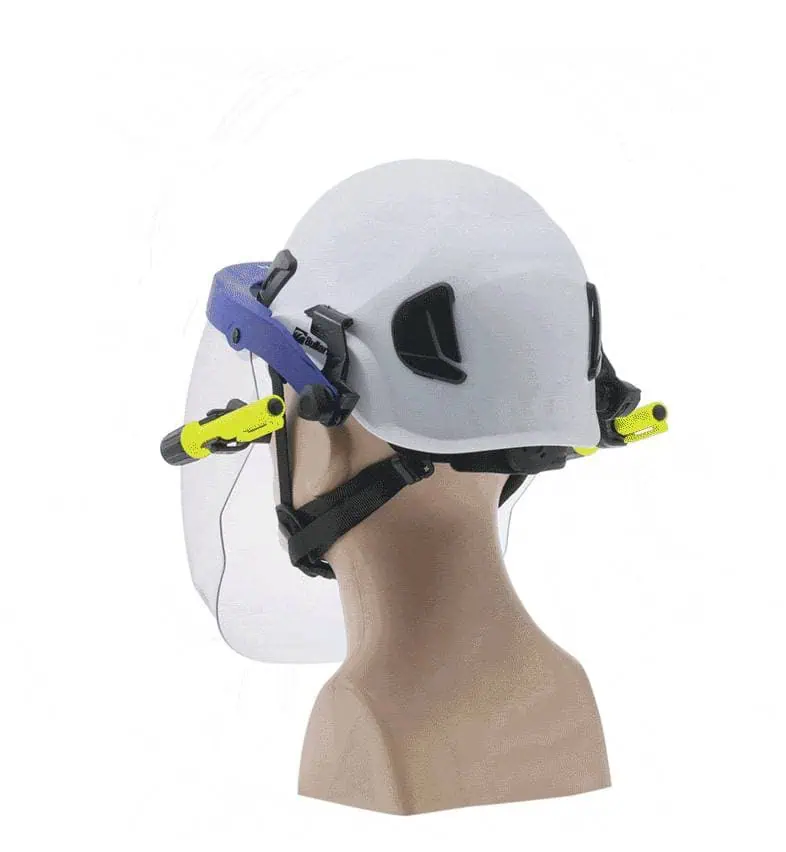
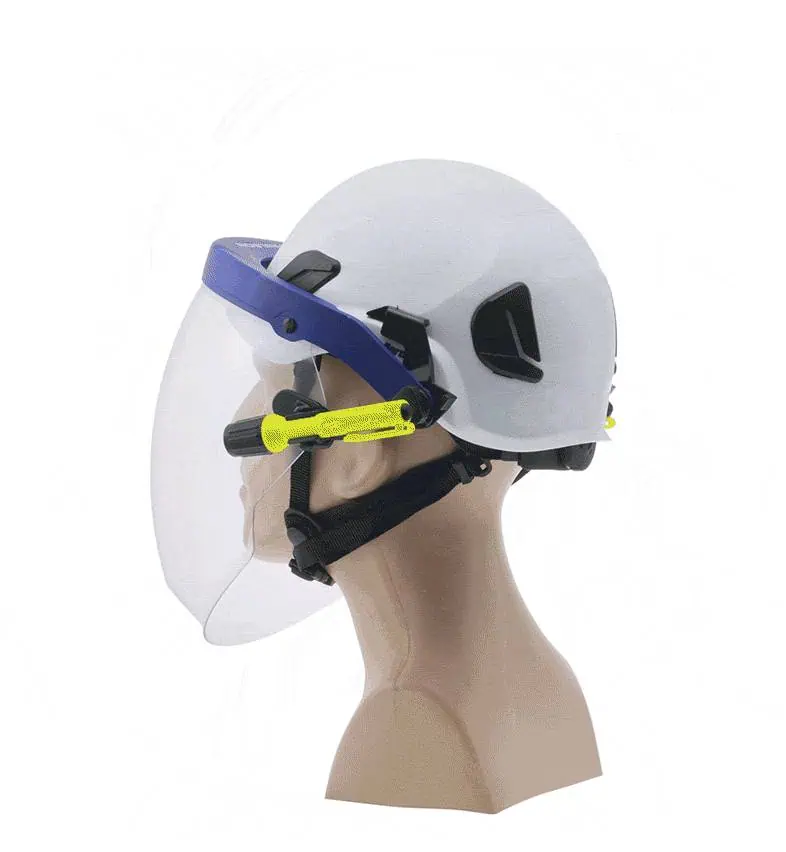
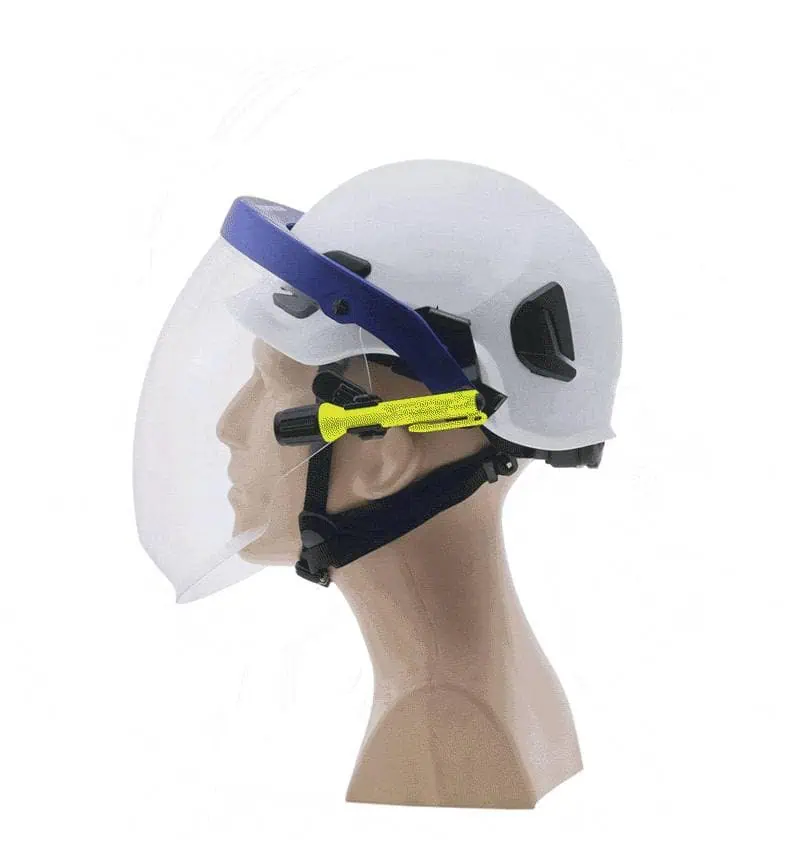
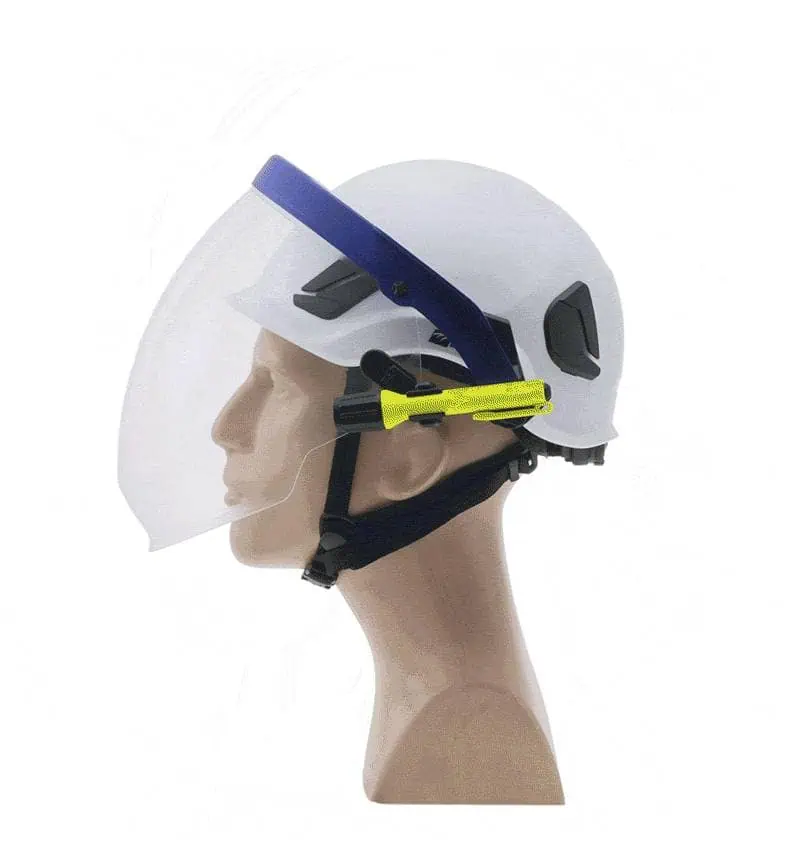
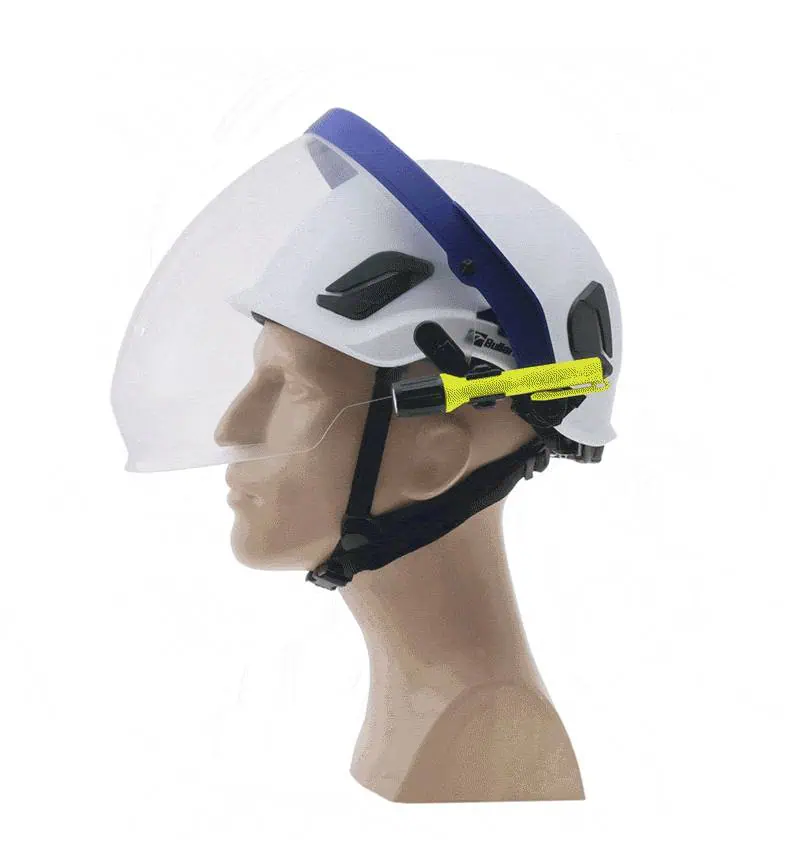
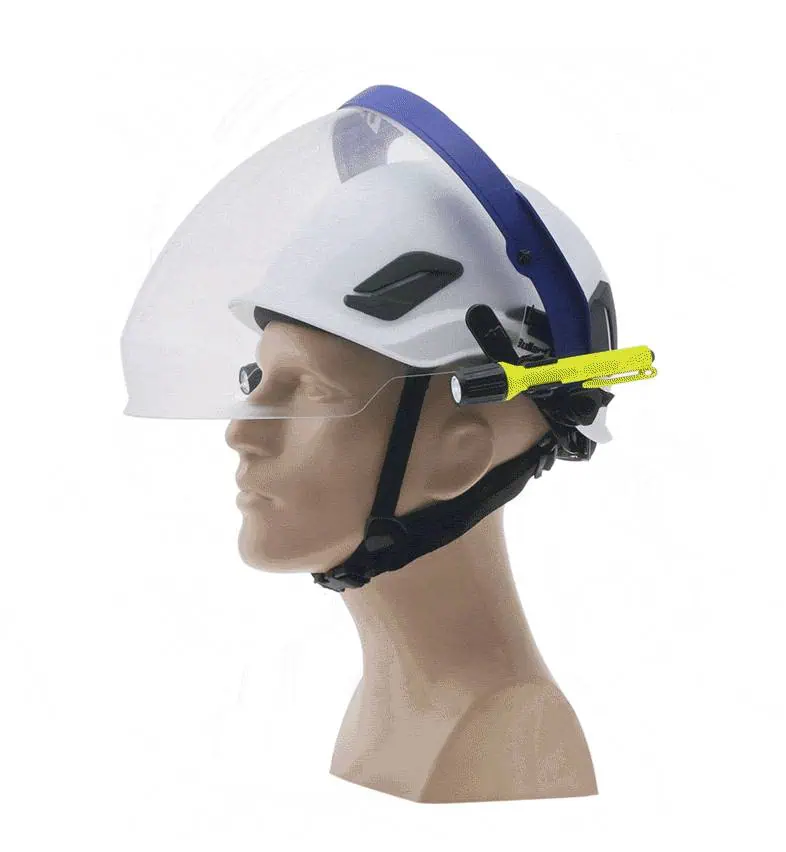
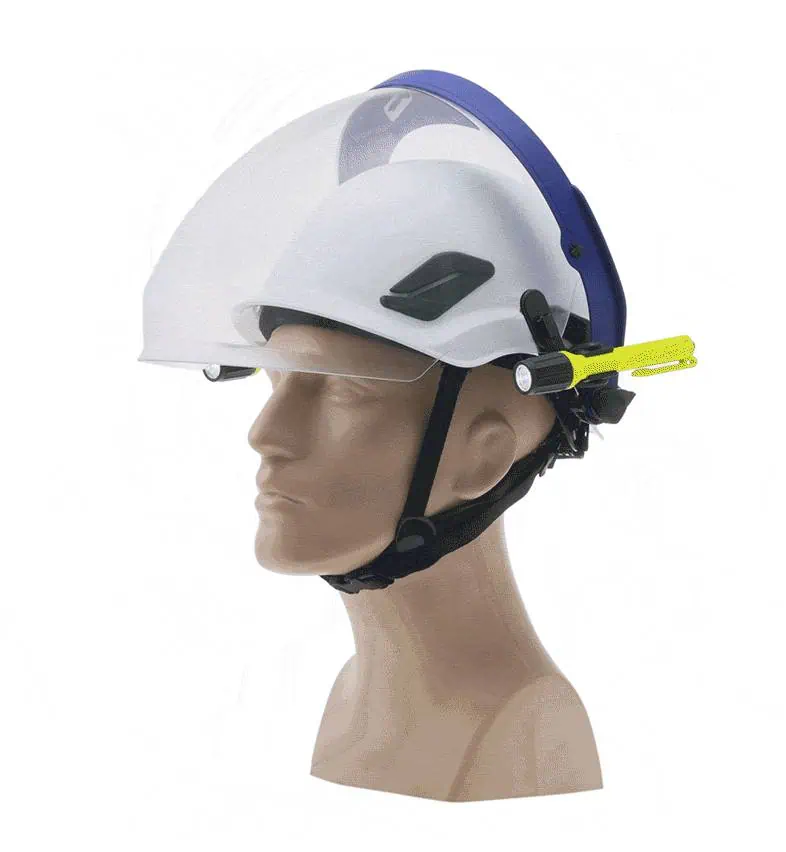
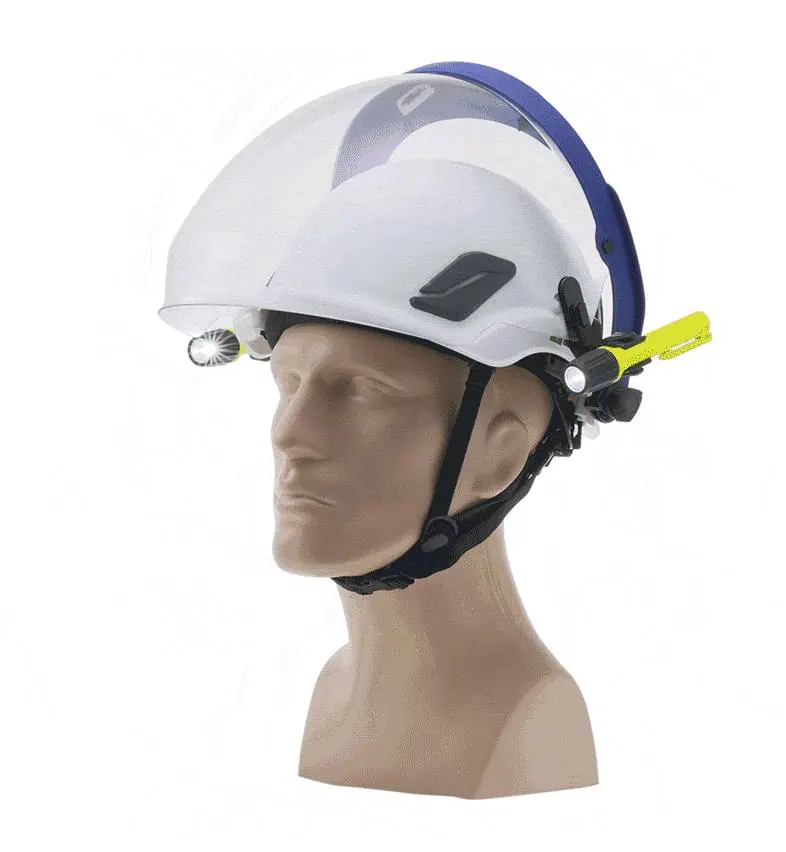
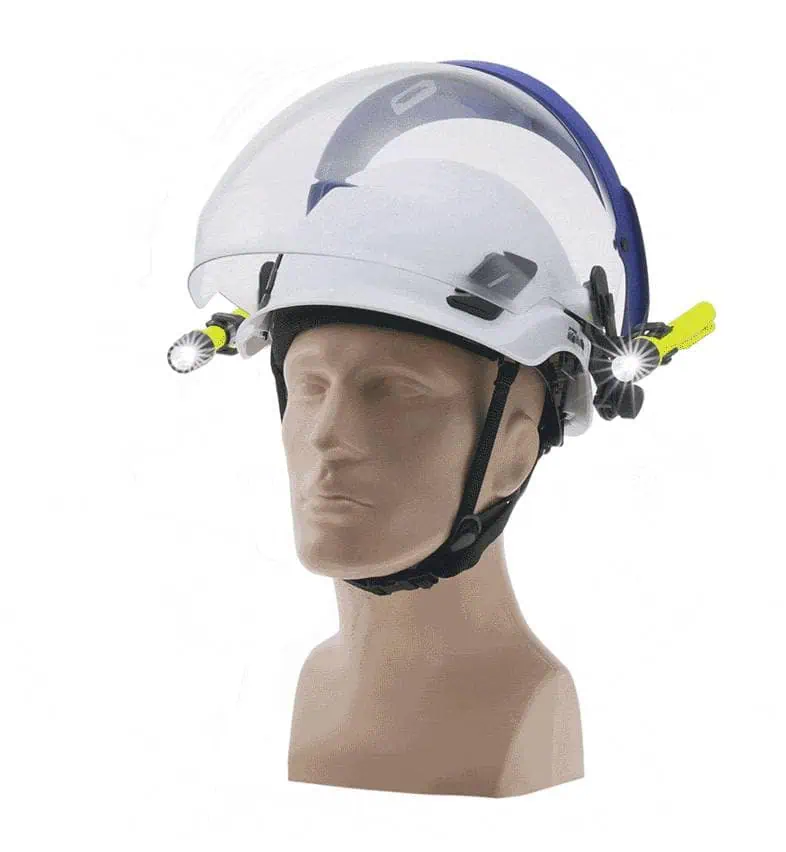
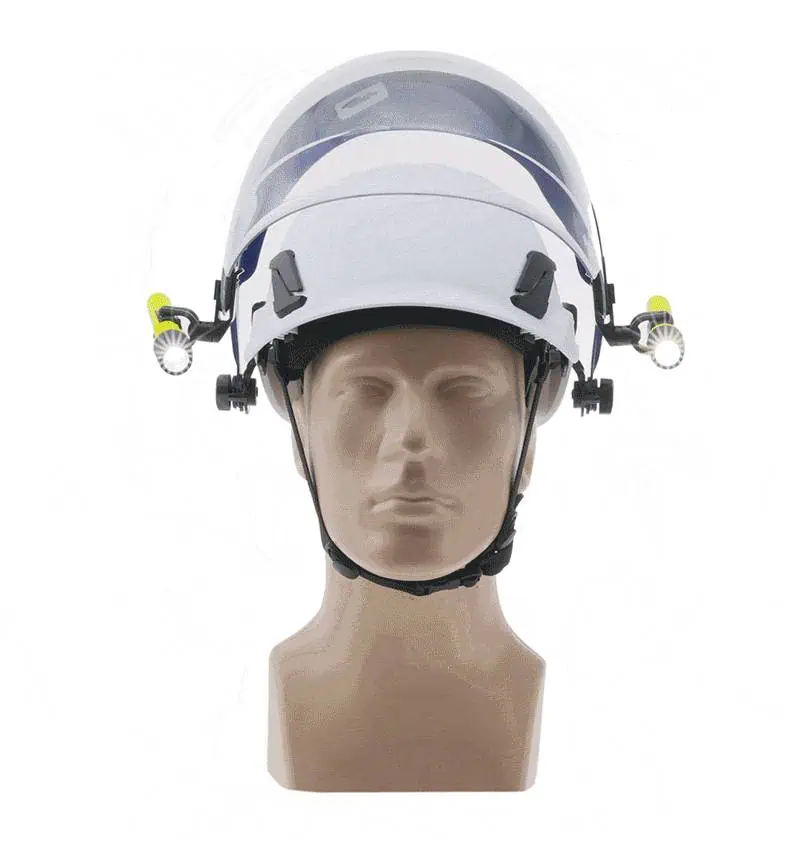
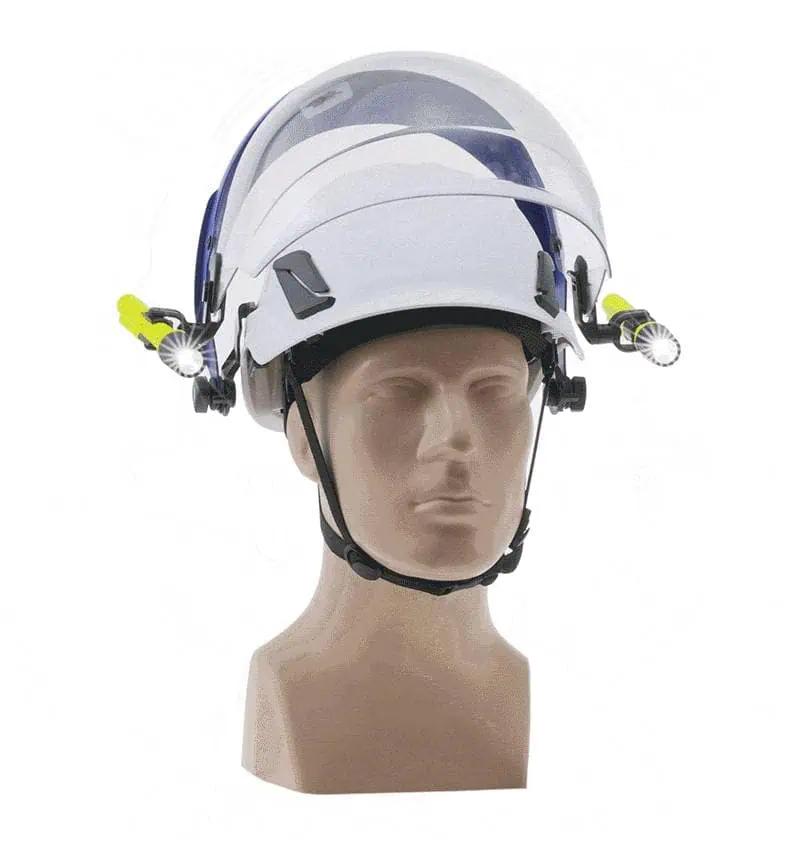
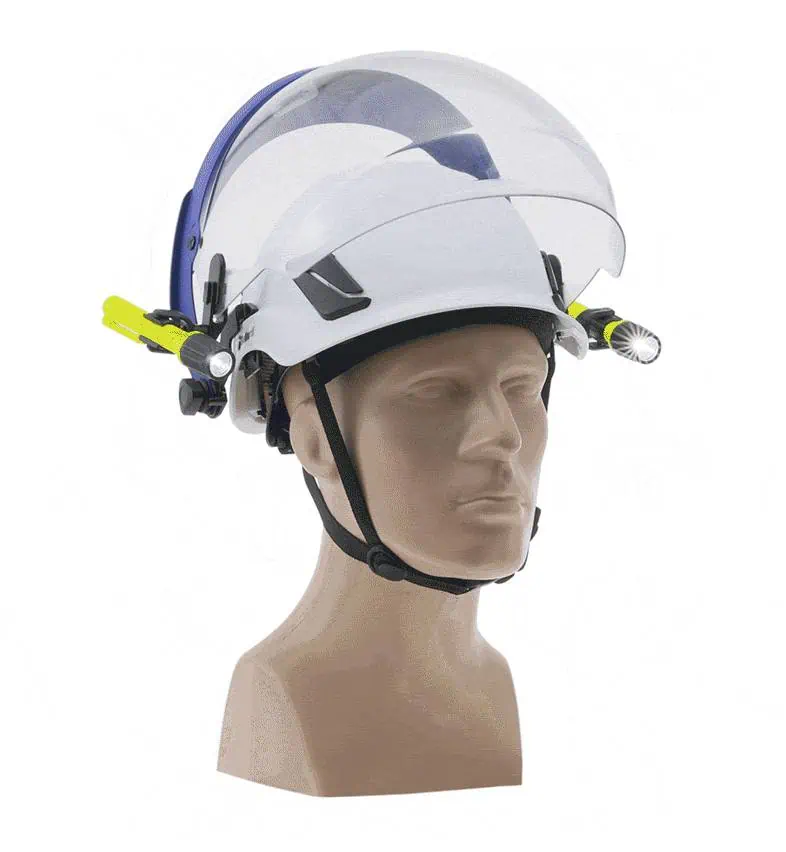
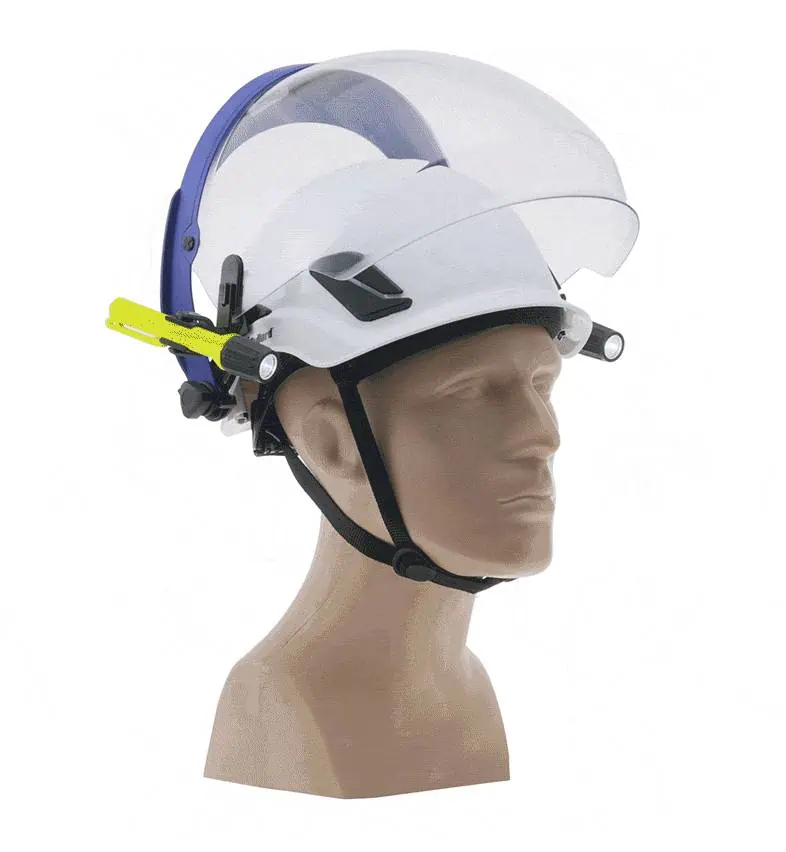
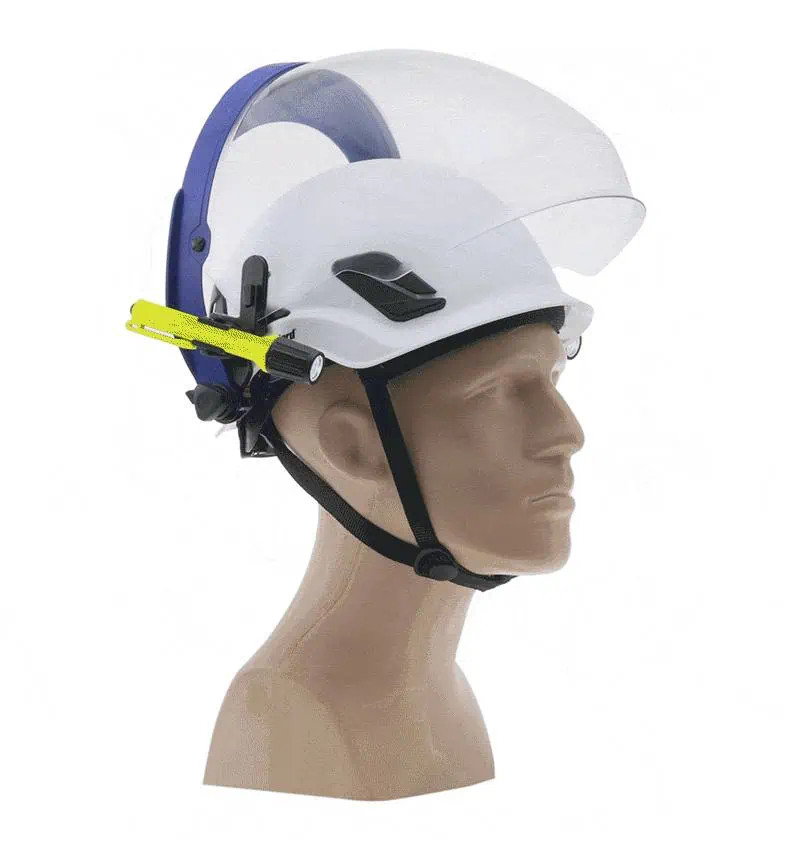
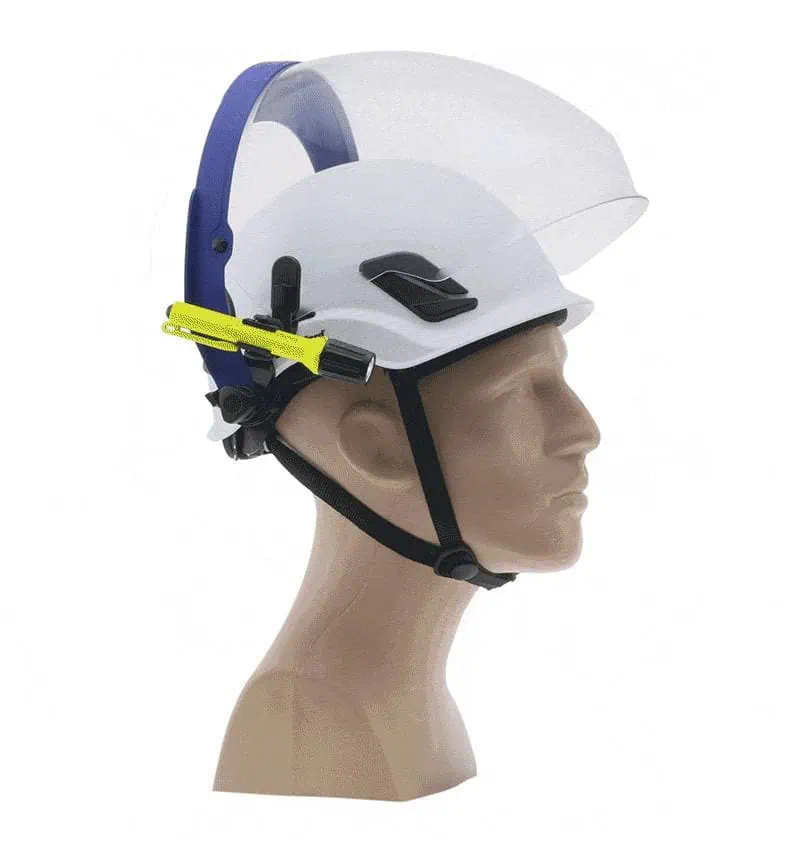
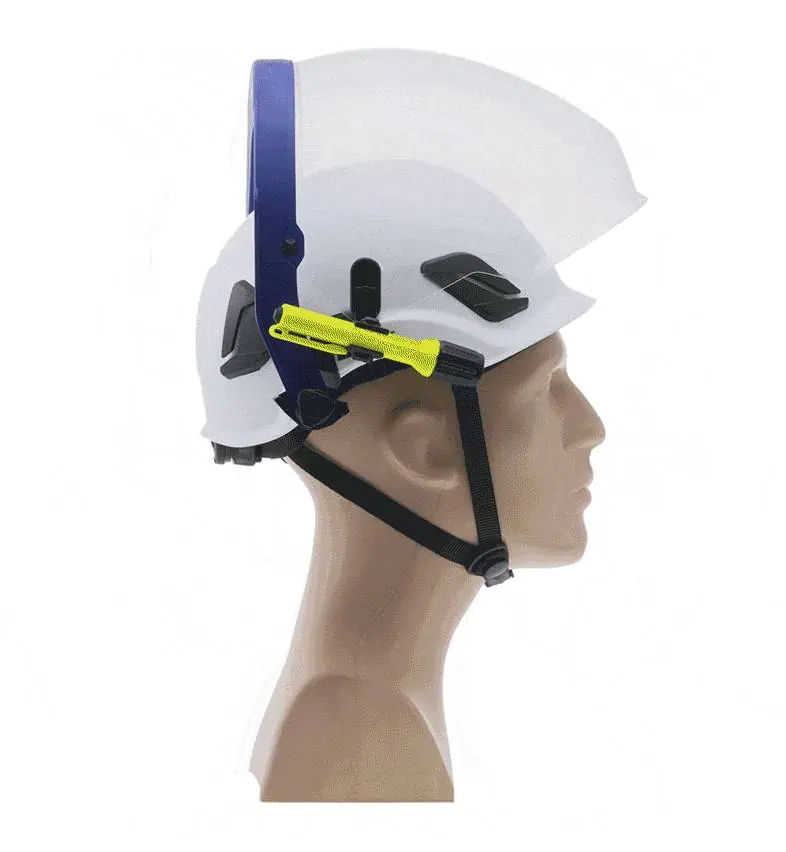
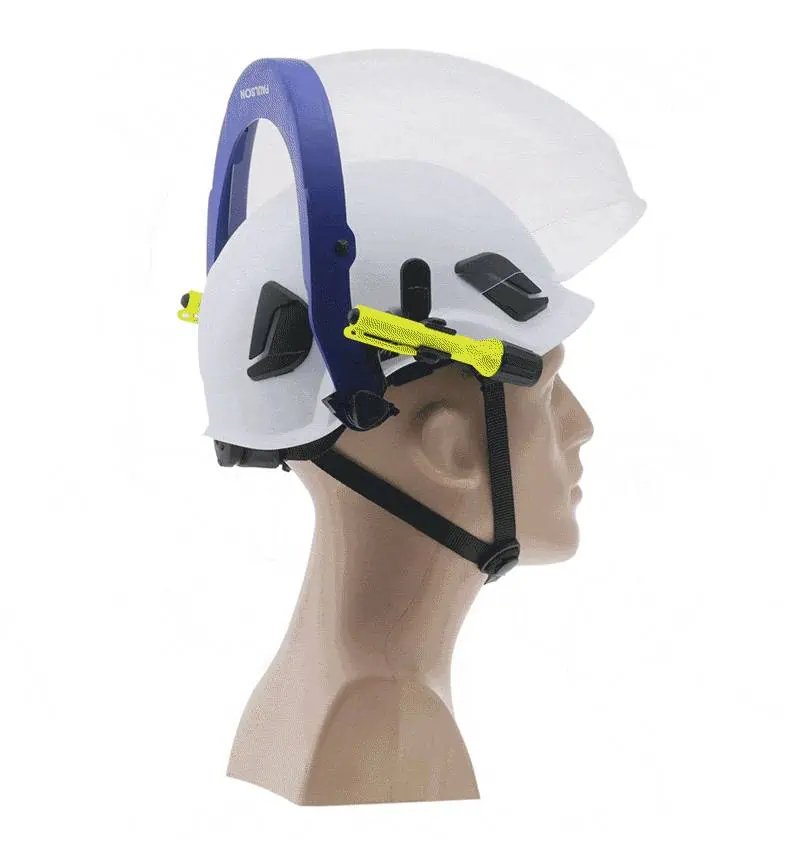
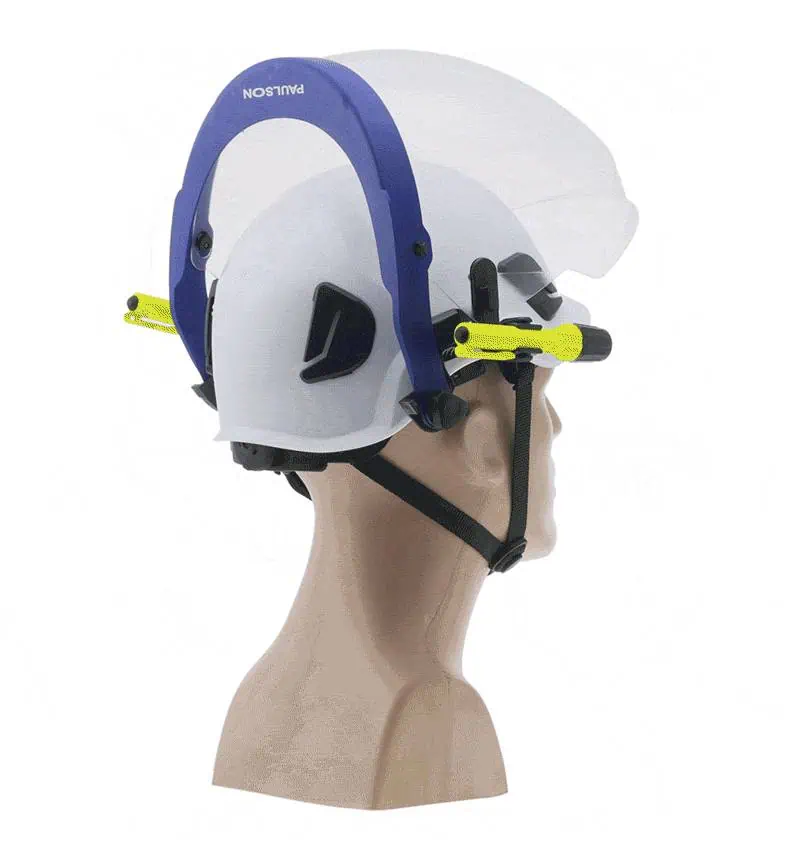
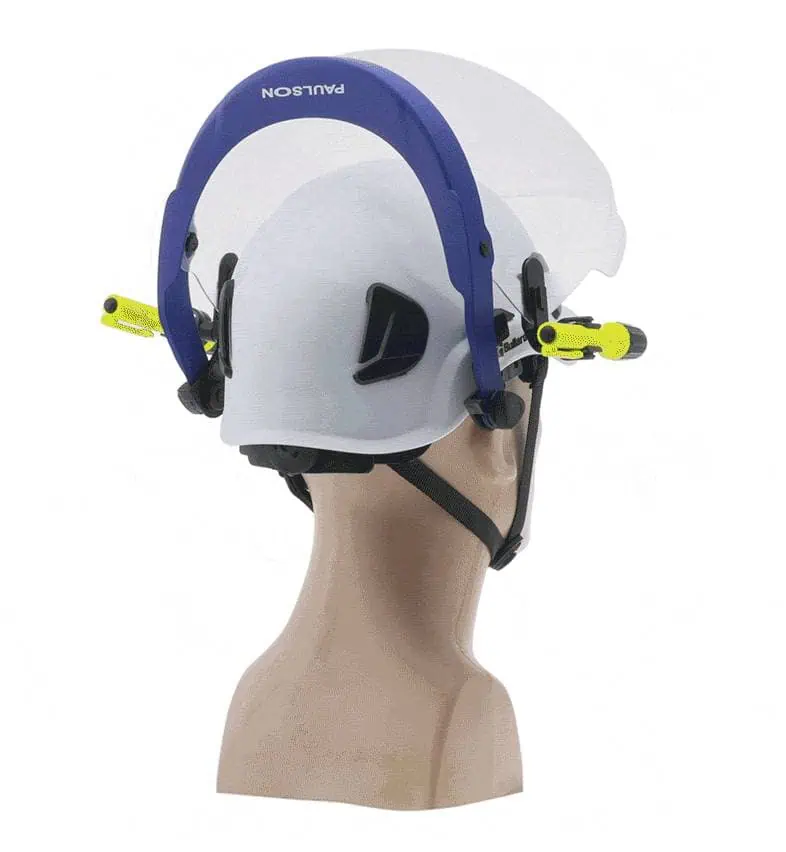
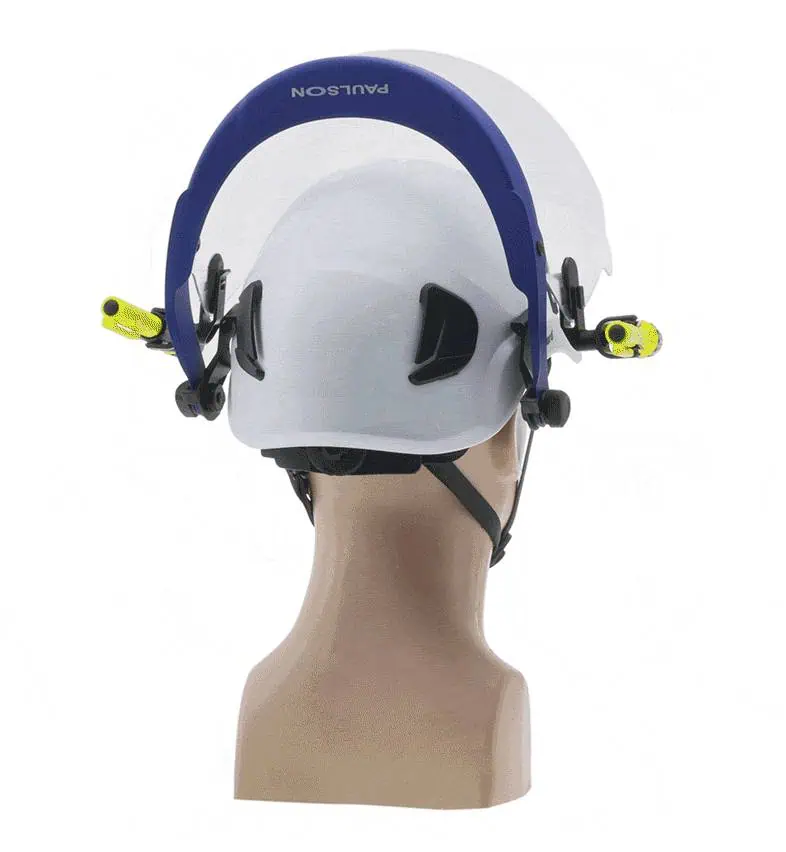
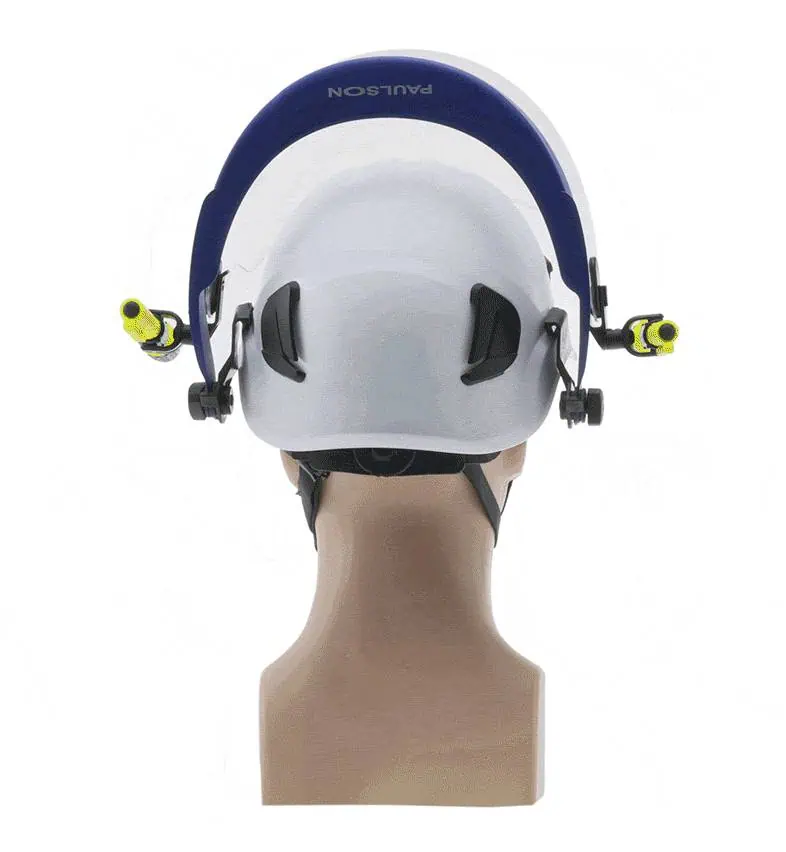
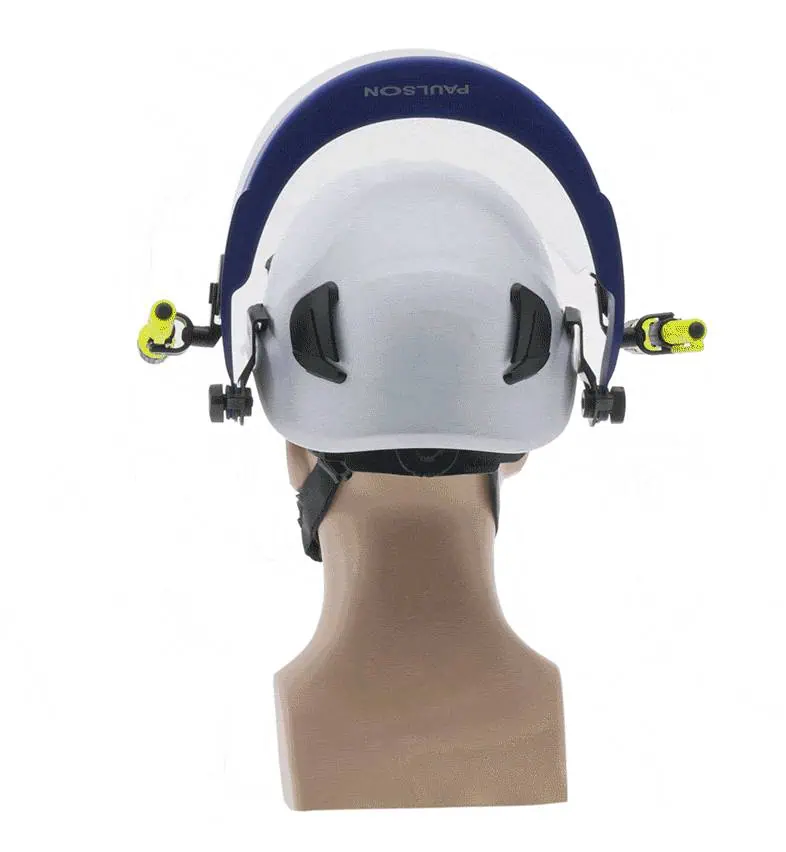
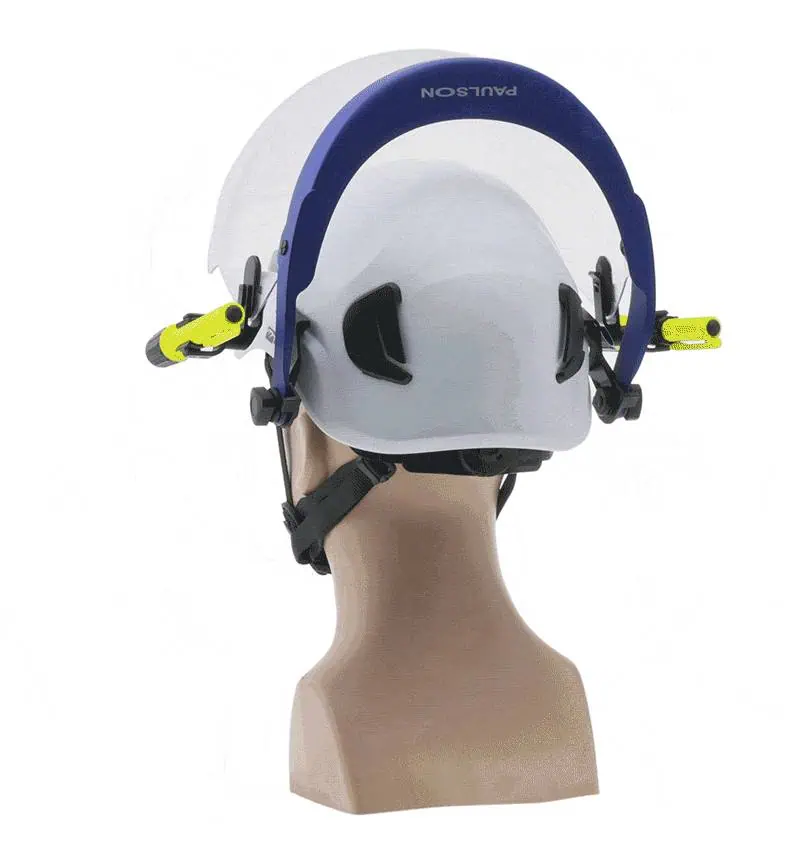
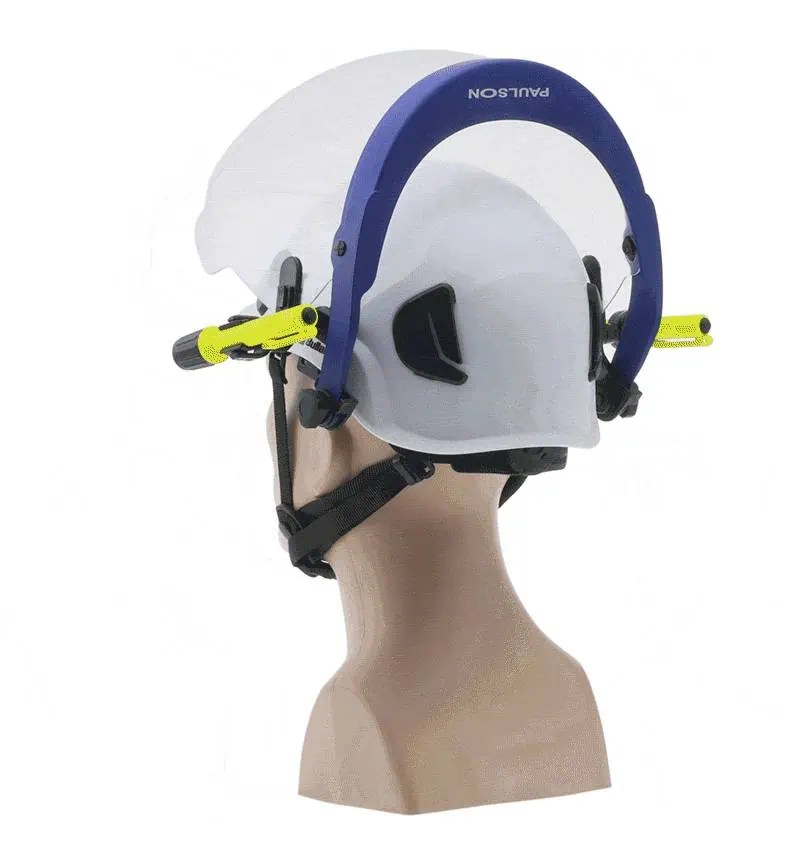
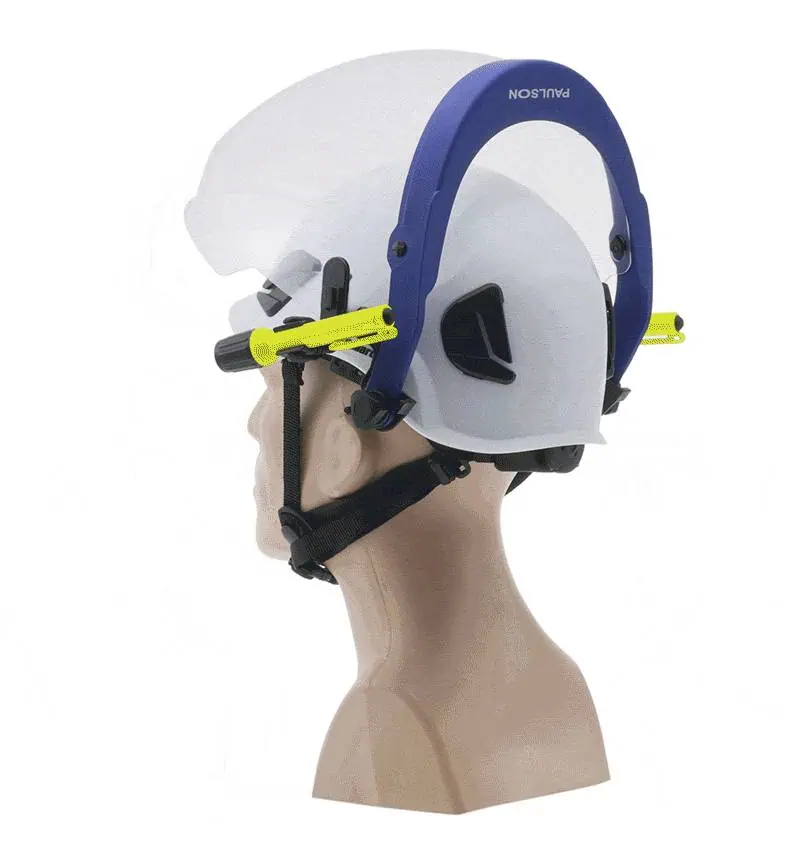
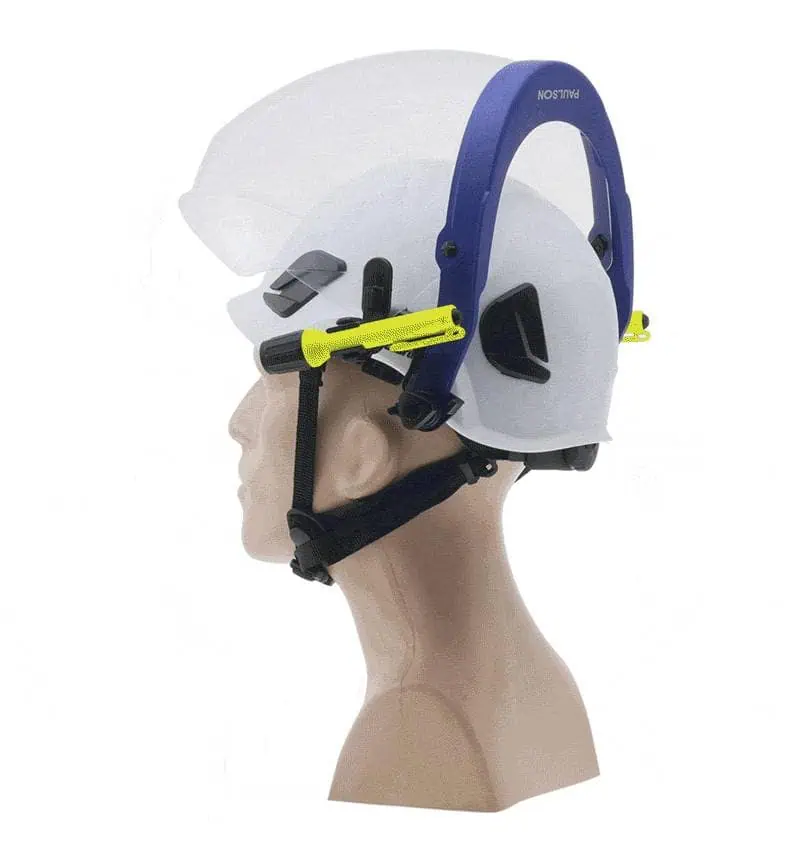
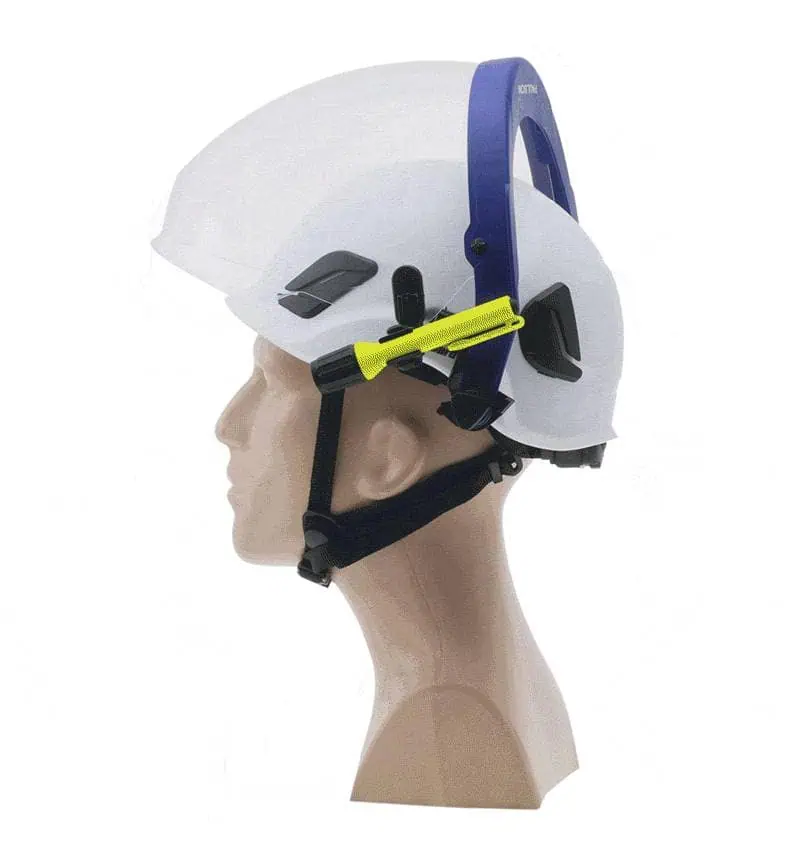
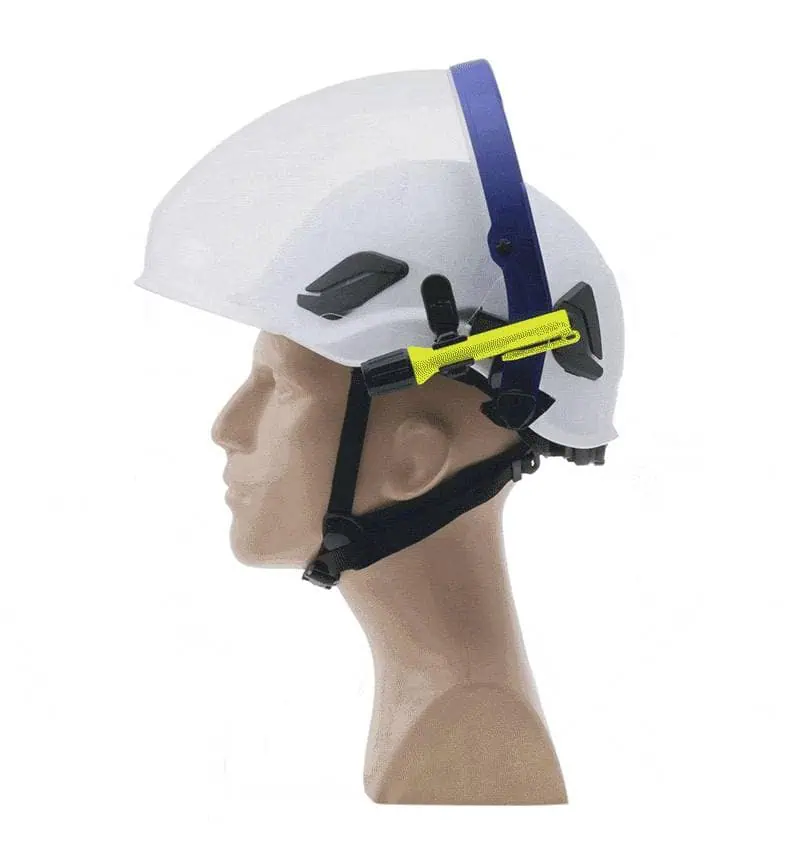
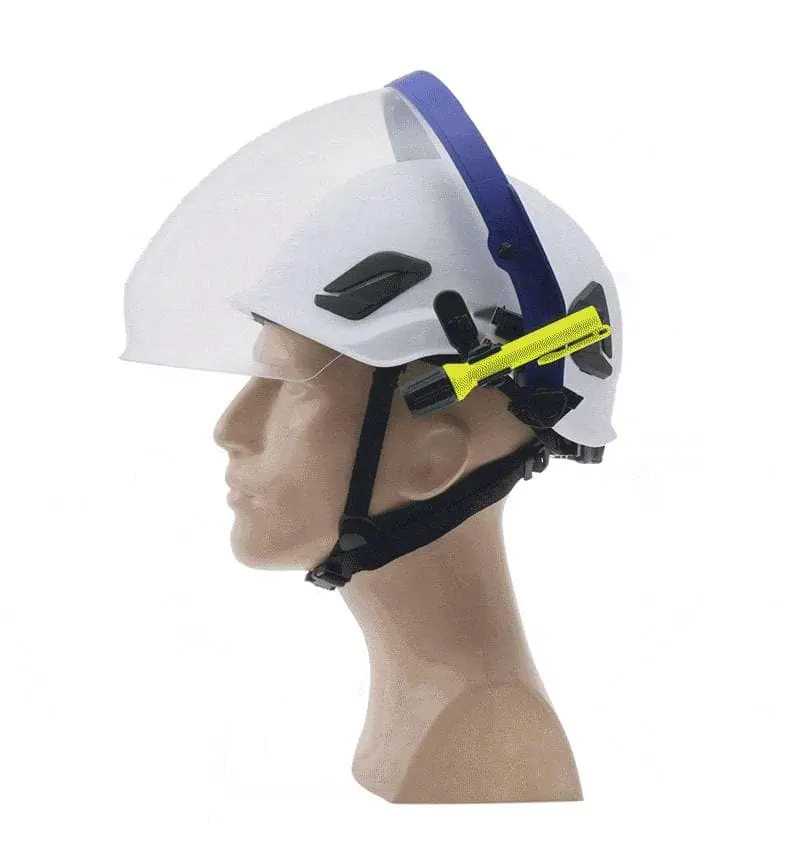
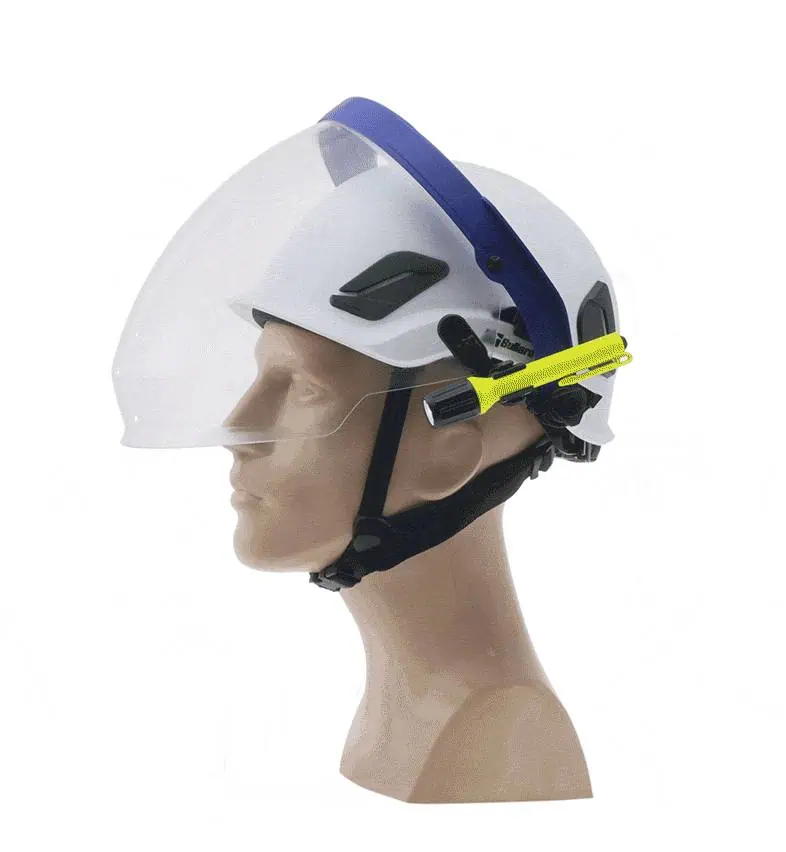
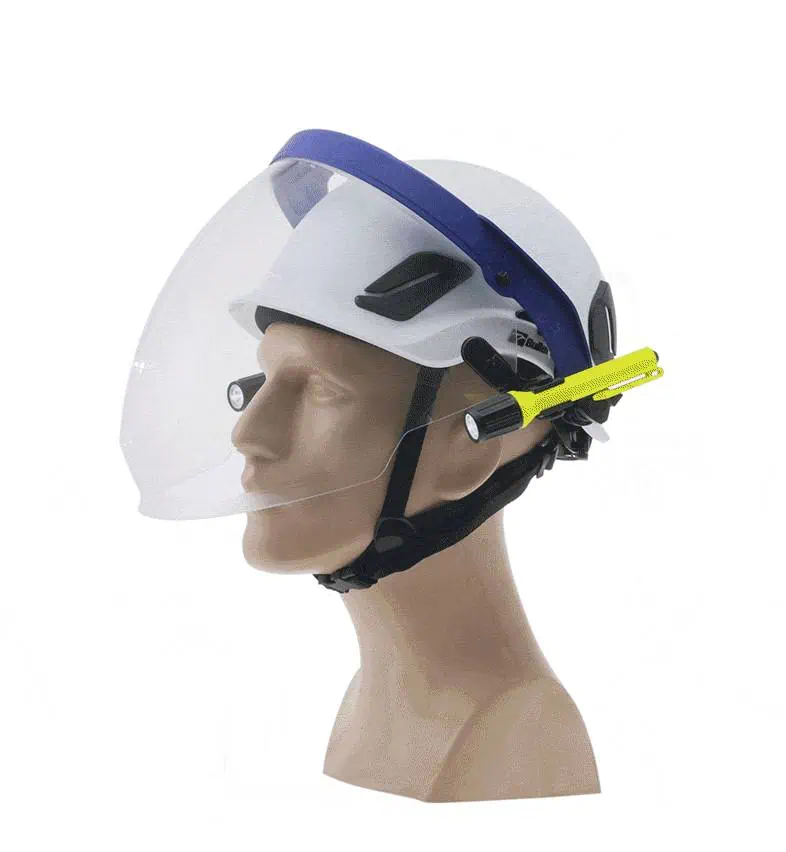
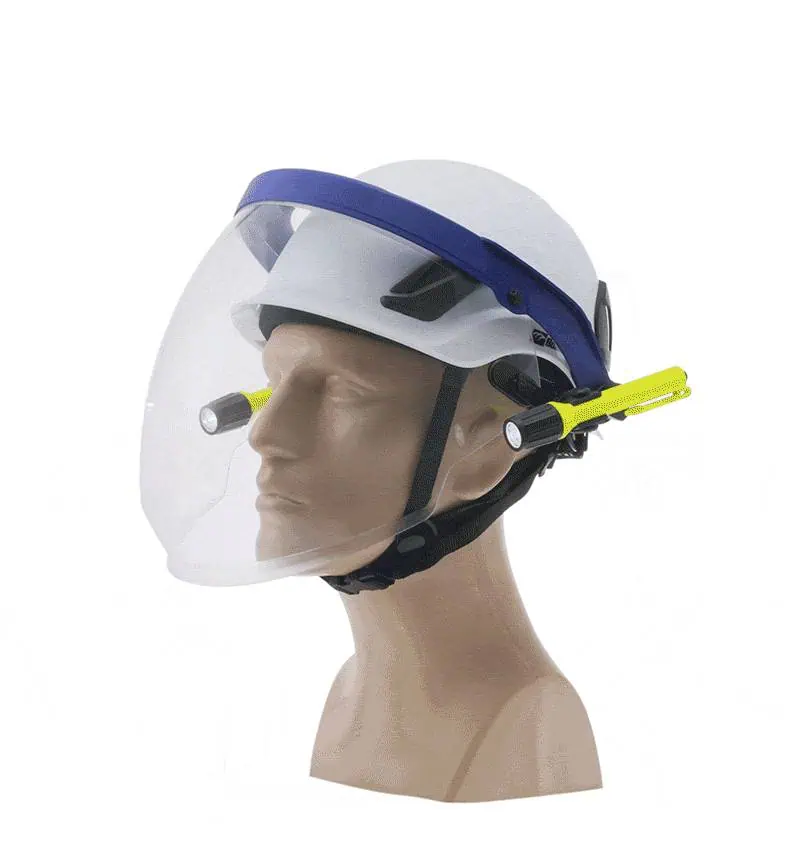
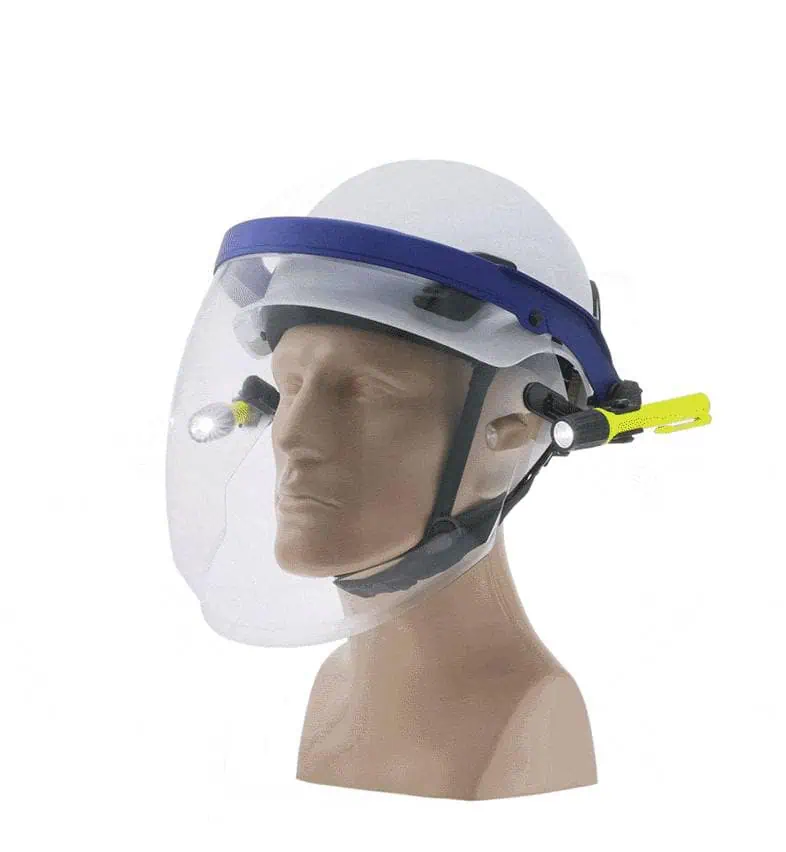
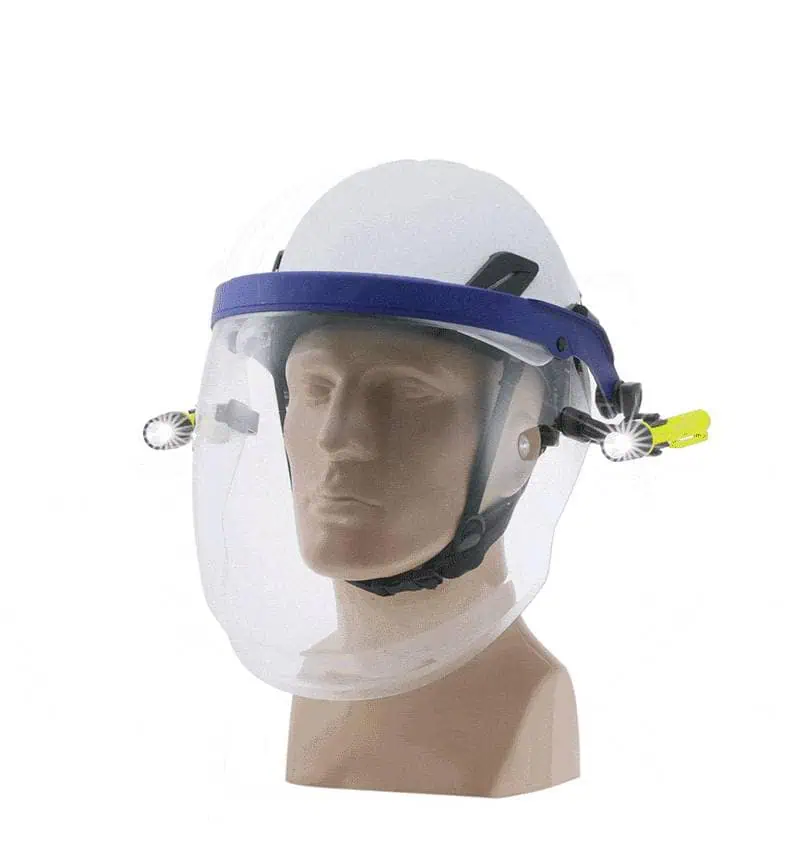
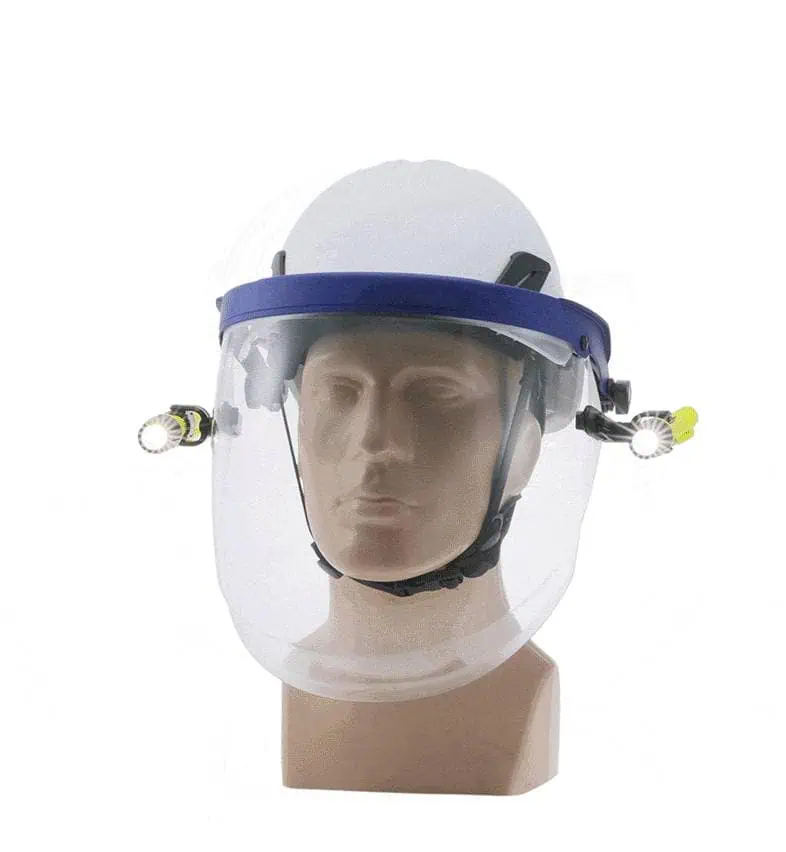
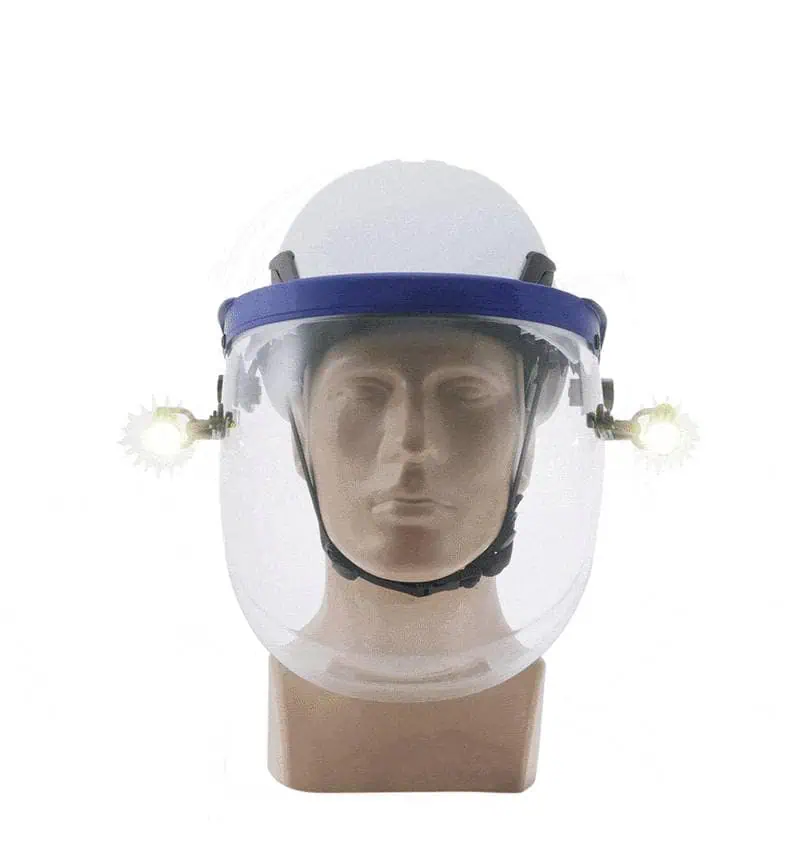
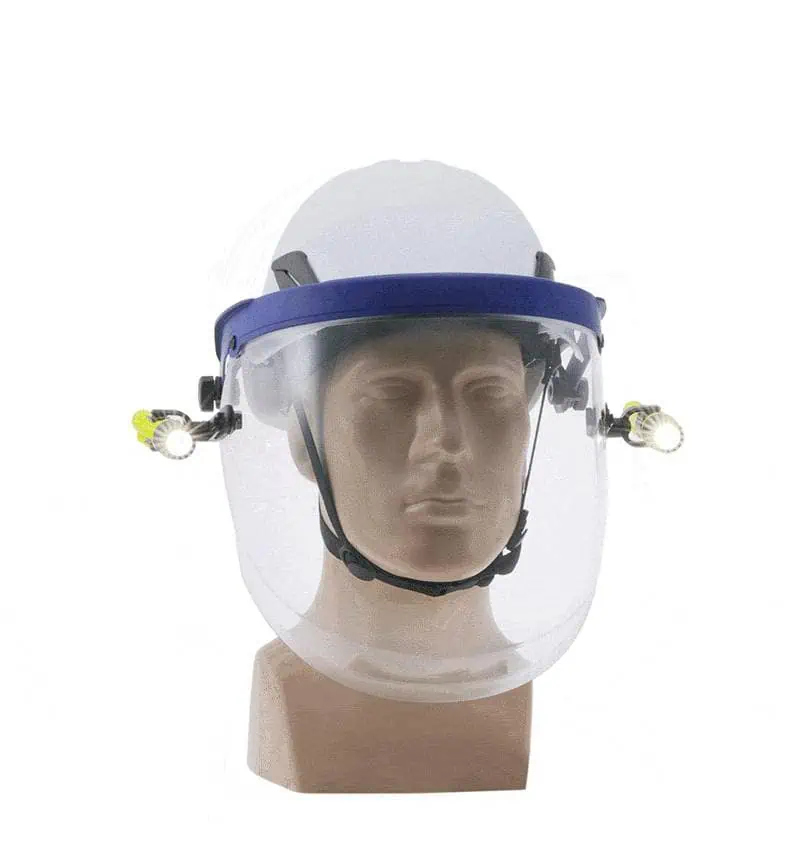
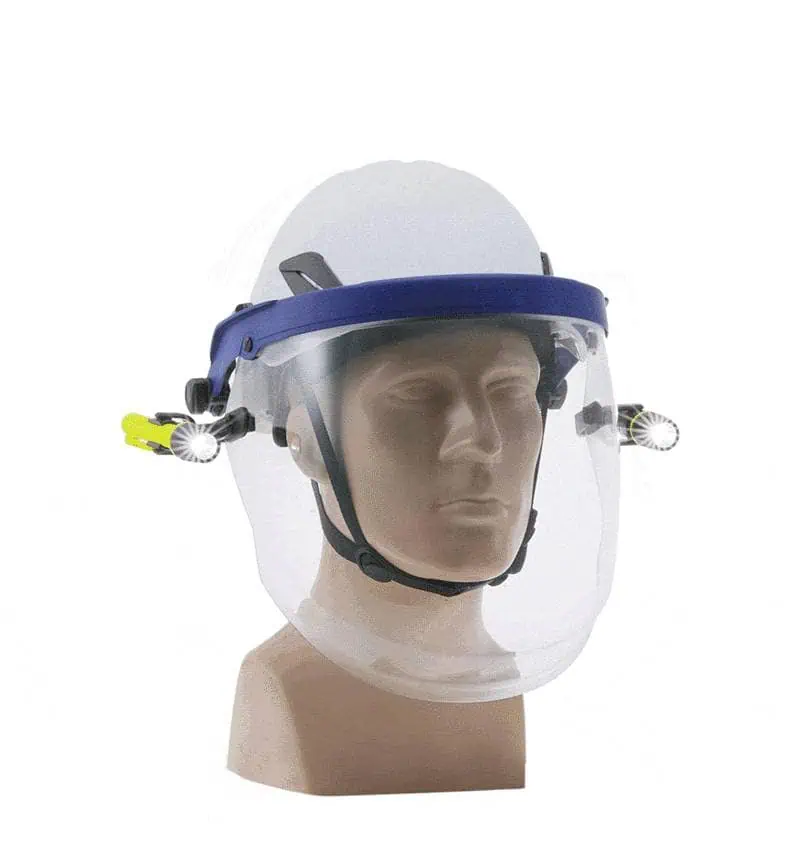
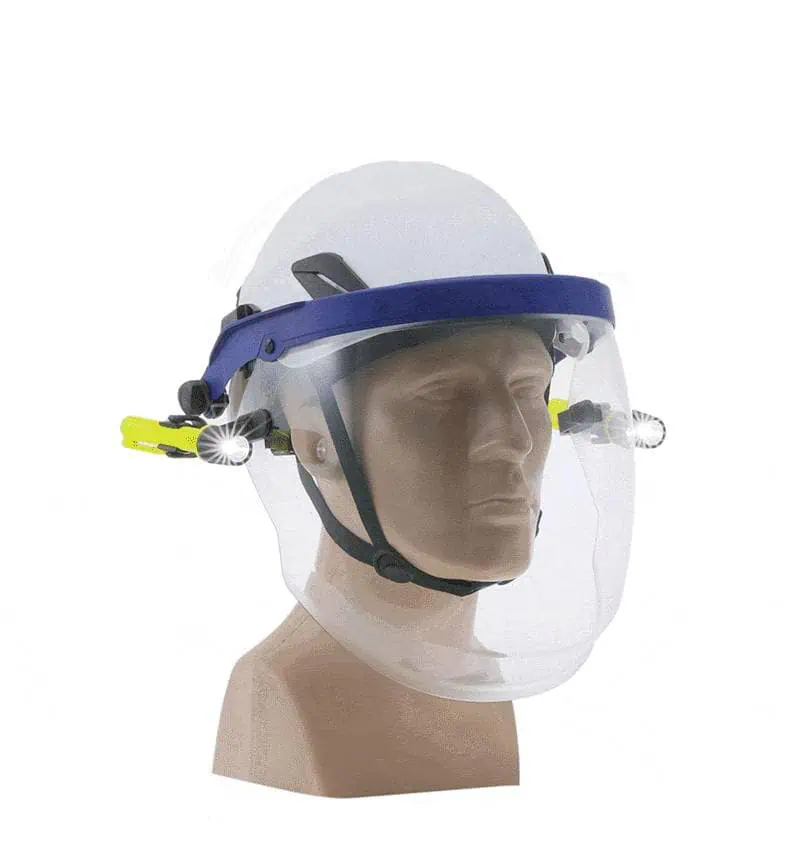
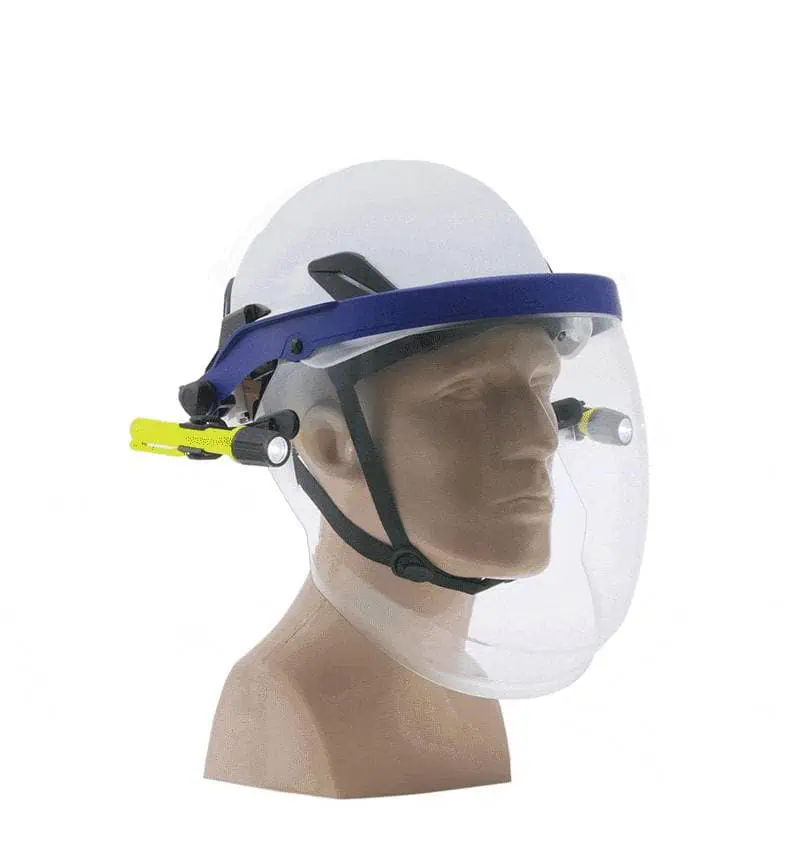
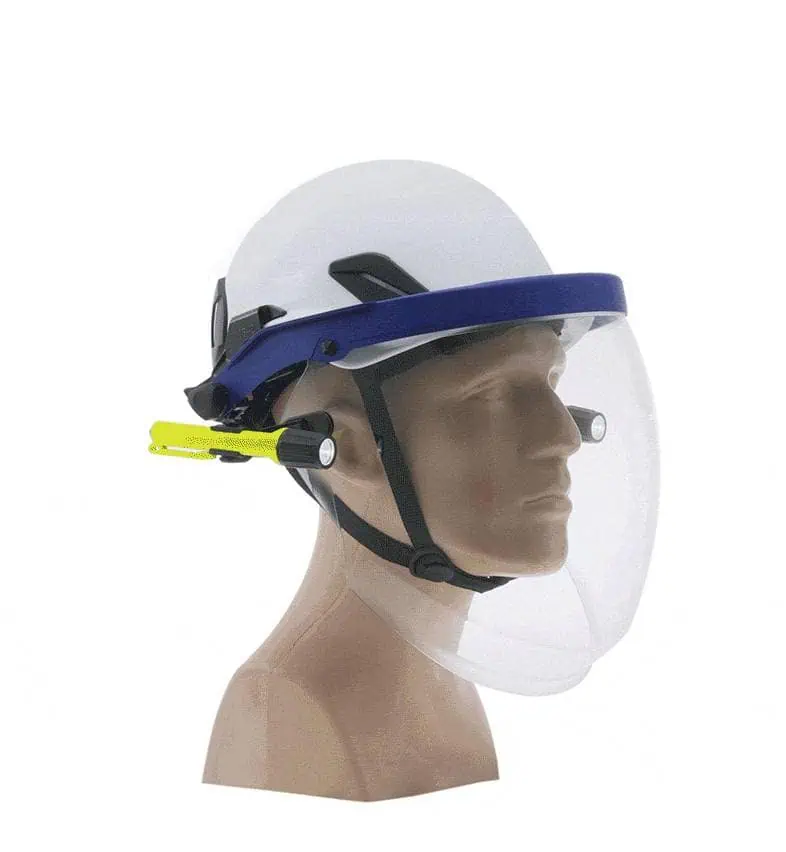
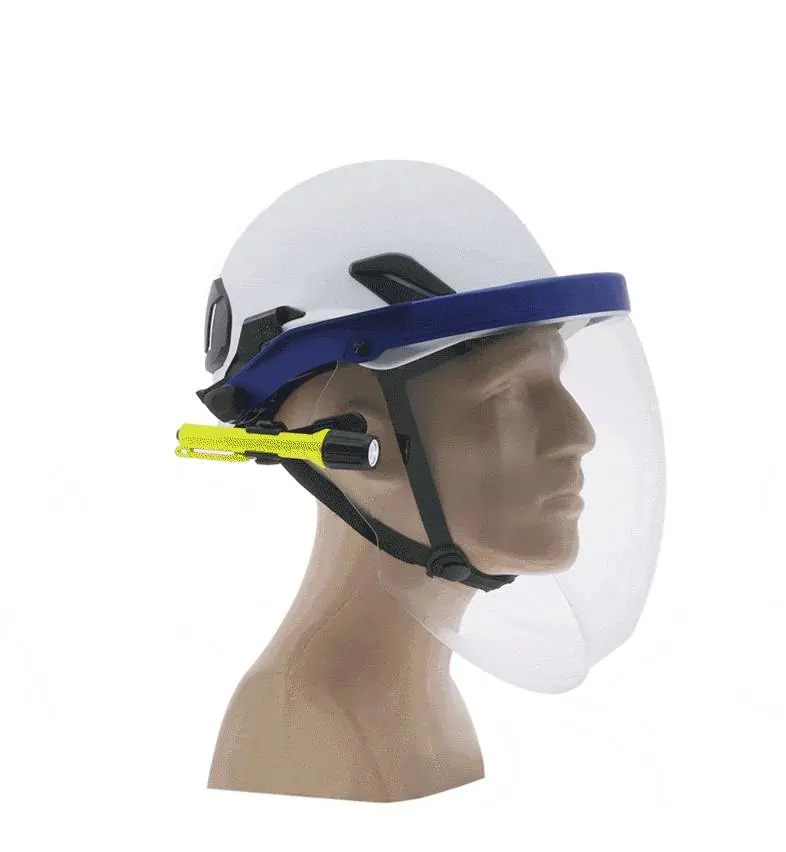
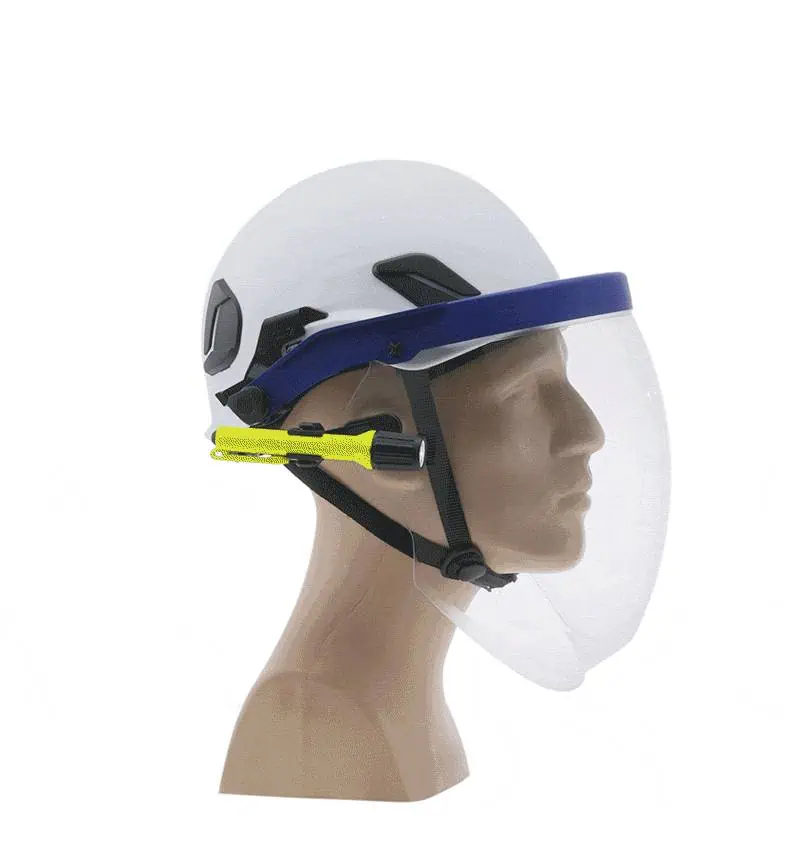
Ensuring a perfect fit between helmets and accessories like face shields, goggles, and hearing protection, is essential to worker safety — particularly when using Type 2 helmets, which are designed to protect against both top and lateral impacts. As job sites increasingly rely on modular PPE configurations, compatibility has become a critical performance factor rather than a simple convenience feature. When components are not engineered to work together, even compliant products can create safety gaps, reduce stability, or interfere with the protective performance of the helmet’s suspension system. Misaligned attachment points, restricted shell movement, or pressure points caused by accessory hardware may appear minor but can negatively affect impact management and discourage consistent use.
System-Level Performance vs. Individual Component Fit
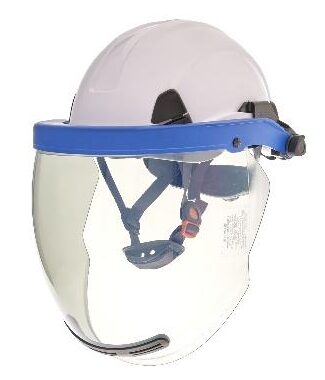
True compatibility goes beyond whether an accessory physically attaches to the helmet. Instead, it requires that every component — helmet, face shield, goggles, and related accessories — functions as an integrated system. Safety professionals should evaluate how configurations behave during normal motion, emergency removal, temperature variation, and interaction with other PPE such as respirators and hearing protection. System-level assessments help ensure that retention, comfort, and visibility are preserved without compromising the helmet’s certified performance characteristics. Equally important is worker feedback, since discomfort or poor usability often leads to improper wear or non-compliance in real-world environments.


The Industry Push Toward a New Compatibility Classification
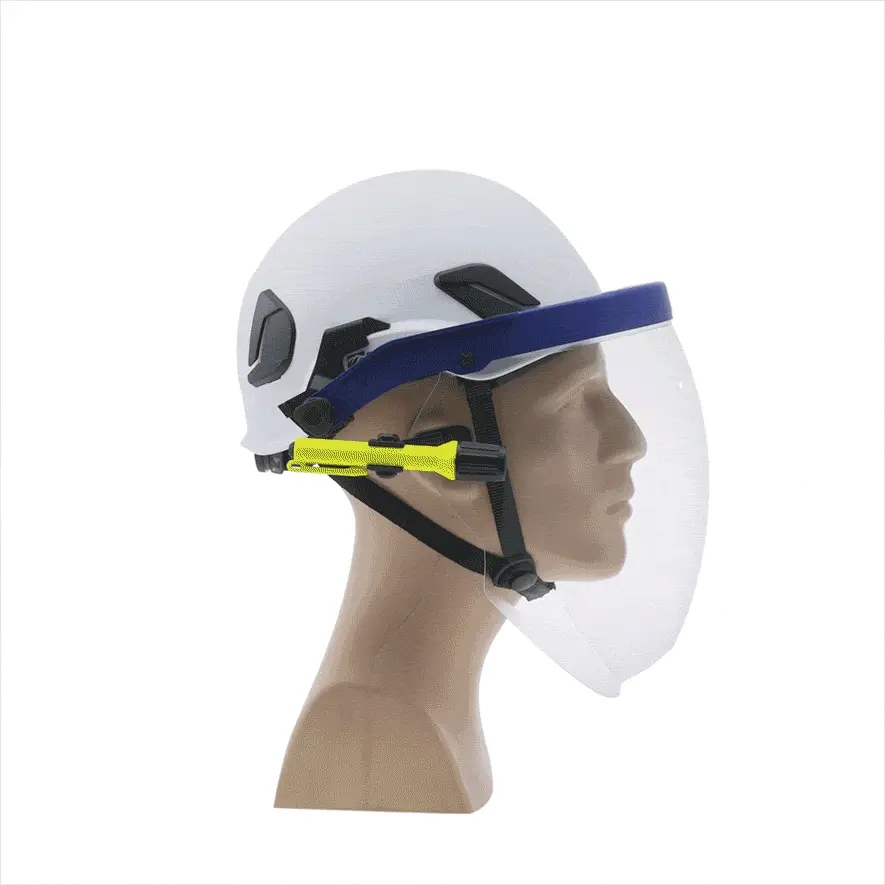
Historically, compatibility decisions have relied heavily on employer judgment and manufacturer statements rather than standardized validation. However, as more workplaces adopt climbing-inspired helmets and multi-function PPE setups, the industry is recognizing the need for clearer guidance. There is growing momentum behind the development of a new, formalized “compatibility type” classification that would treat helmets and accessories as tested systems rather than independent products. The goal of this emerging framework is to reduce ambiguity, improve labeling, and give safety managers confidence that approved combinations maintain the intended protection envelope. Some manufacturers are already providing system-level testing data and defined accessory pairing recommendations, while standards bodies and working groups are exploring ways to codify these practices into future revisions and guidance documents.
Practical Steps for Safety Teams Today
Until a universal compatibility type is officially adopted, organizations should approach PPE configurations proactively. Whenever possible, source accessories from the same manufacturer and verify documented compatibility for Type 2 helmet models and specific mounting interfaces. Avoid mixing unknown component combinations in high-risk environments, and conduct field validation to confirm stability, comfort, and performance during regular job tasks. Treating helmets and the various PPE accessories that attach to them as a unified protective system — rather than interchangeable parts — helps ensure that workers receive the full level of protection the equipment is designed to provide.
To learn more about accessory compatibility considerations for Type 2 safety helmets, please contact us today.