When evaluating firefighter personal protective equipment, cost is only one part of the equation. Safety officers and procurement teams must think holistically—balancing compliance, comfort, durability, and supply chain resilience. Below are seven essential questions that go beyond the sticker price to ensure your department invests in PPE that performs when it matters most.
Question 1: Is the Goggle System Certified to the Most Current NFPA Standards?
NFPA standards evolve as new hazards, technologies, and field data emerge. Ensuring your eye and face protection meets the latest NFPA requirements is non-negotiable. Certification verifies that the product has undergone rigorous testing for heat resistance, structural integrity, and performance under realistic conditions.
Question 2: Does the Eye/Face Protection Meet ANSI Z87.1 for Impact Safety?
Beyond fireground heat and smoke, firefighters face flying debris, projectiles, and shrapnel during extrication and rescue operations. ANSI Z87.1 certification confirms that goggles or face shields offer proven impact protection, reducing the risk of debris-related injuries.
Question 3: Is the PPE Designed for Optimal Comfort and Compatibility with Existing Gear?
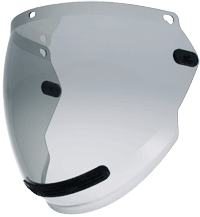
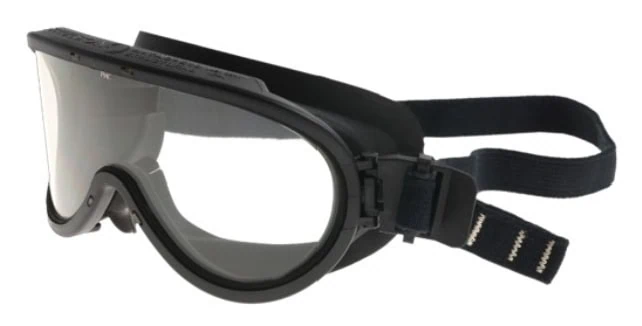
Comfort has a direct impact on compliance—when protective equipment is uncomfortable or doesn’t work well with other gear, users are less likely to wear it correctly or consistently. Modern goggles and eye protection are designed to integrate smoothly with helmets, masks, and other standard equipment. Features such as adjustable straps improve stability, while optically correct lenses offer clear, wide-angle visibility. The result is PPE that enhances mission-critical performance rather than getting in the way.
Question 4: How Does the Goggle System Address Lens Fogging?
Lens fogging is more than an inconvenience—it’s a safety risk. Features such as baffled vents, permanent anti-fog on the interior, and anti-abrasion hard coatings on the exterior ensures firefighters can maintain situational awareness without stopping to adjust or clear their lenses.
Question 5: What Is the Total Cost of Ownership, Not Just the Upfront Price?
Durability, service life, warranty coverage, and replaceable components all influence the true cost of PPE. A lower-priced product may require more frequent replacements or repairs, quickly diminishing any initial savings. Evaluating the long-term value helps departments maximize budgets while ensuring consistent protection.
Question 6: Can the Manufacturer Guarantee Supply Chain Reliability?
Procurement teams must consider how reliably a manufacturer can deliver—and replenish—critical PPE. A made in the USA advantage often means reduced lead times, tighter quality control, and fewer disruptions caused by overseas manufacturing bottlenecks. This reliability is essential for departments that need steady access to replacement gear and accessories.

Question 7: Are Replacement Parts and Accessories Readily Available?
Even the best PPE requires periodic maintenance. Ensure that replacement lenses, straps, and accessories are easy to order and consistently stocked. This reduces downtime, extends product life, and ensures firefighters always have mission-ready equipment.
For departments seeking PPE solutions that meet the highest standards of safety, comfort, and reliability, Paulson Manufacturing delivers. Contact Paulson today to learn more about our full range of fire and rescue PPE engineered for the toughest environments.