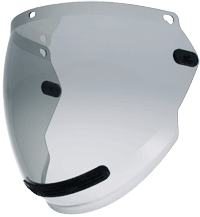
Welding operations vary widely in process, energy output, and material interaction-but all share a common risk: exposure to intense optical radiation that can cause serious, and often irreversible, eye injury. For welders and safety professionals, understanding the nature of each welding application is critical to selecting appropriate eye protection that meets regulatory and performance standards.
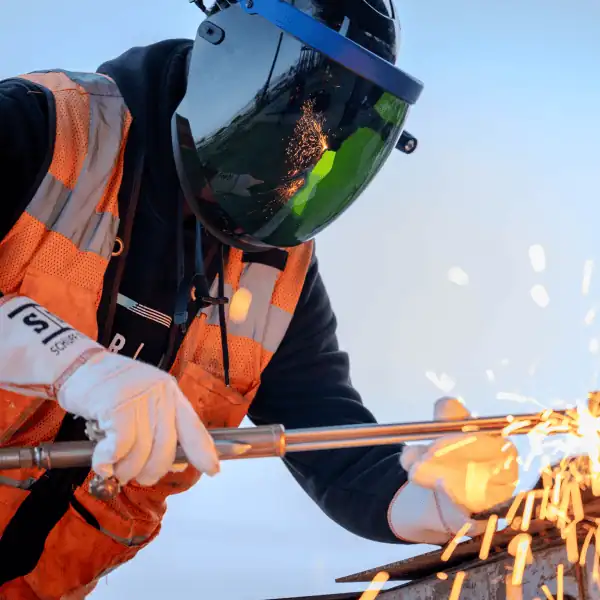
Understanding Welding Applications and Arc Characteristics
Different welding processes generate arcs with varying energy densities and spectral emissions. For example, Shielded Metal Arc Welding (SMAW) produces a relatively stable arc with moderate ultraviolet (UV) and infrared (IR) radiation, while Gas Tungsten Arc Welding (GTAW/TIG) generates a highly concentrated, bright arc with significant UV intensity despite lower amperage. Gas Metal Arc Welding (GMAW/MIG), particularly in spray transfer mode, can produce extremely bright arcs with high visible light and IR output.
Plasma Arc Welding (PAW) and carbon arc cutting processes operate at even higher energy densities, producing intense radiation across the UV, visible, and IR spectrum. Oxy-fuel welding and cutting, while not generating an electric arc, still emit substantial IR radiation and visible glare that can lead to thermal eye stress and retinal damage.
Eye Hazards in Welding
The primary eye hazards associated with welding include:
- Ultraviolet Radiation (UV): Causes photokeratitis (“arc eye”) and conjunctivitis. Even brief exposure can result in painful inflammation.
- Infrared Radiation (IR): Penetrates deeper into ocular tissue, contributing to cataract formation over time.
- Visible Light (Blue Light Hazard): High-intensity visible light can cause retinal damage and visual impairment.
- Flying Particles and Spatter: Mechanical hazards that can cause corneal abrasions or embedded foreign bodies.
- Thermal Exposure: Heat and sparks can damage surrounding facial tissue and eyes.
Role of Shaded Lenses and Protective Equipment
Properly selected welding lenses and shields mitigate these hazards by attenuating harmful radiation to safe levels. Welding helmets and goggles equipped with filter lenses must comply with OSHA 29 CFR 1910.133 requirements for eye and face protection, as well as the performance criteria outlined in ANSI Z87.1.
ANSI Z87.1 specifies requirements for optical clarity, impact resistance, and radiant energy filtration. Welding lenses are assigned shade numbers based on their ability to reduce luminous transmittance. Higher shade numbers correspond to greater attenuation of brightness and radiation. For example, high-amperage arc gouging may require shade levels of 12-14, while oxy-fuel cutting may only require shade 5-7.

Auto-darkening filters (ADFs) offer dynamic protection by adjusting shade levels in response to arc intensity, improving both safety and productivity. However, they must still meet ANSI Z87.1 standards and be properly maintained to ensure reliable performance. In contrast, fixed-shade, full-coverage welding face shields remain a dependable solution for many applications, particularly where consistent arc conditions are present. These shields often provide a larger viewing area and unobstructed field of vision, enhancing spatial awareness and peripheral visibility-an important advantage in complex or confined work environments where situational awareness is critical.
| Welding Application | Material(s) Used | Arc Intensity | Primary Eye Hazards |
| SMAW (Stick Welding) | Steel, stainless steel | Moderate amperage, stable arc | UV/IR radiation, visible glare, spatter |
| GMAW (MIG Welding) | Steel, aluminum | High amperage, bright arc | Intense visible light, UV/IR, spatter |
| GTAW (TIG Welding) | Aluminum, stainless steel | Low-high amperage, concentrated | High UV exposure, arc brightness |
| FCAW (Flux-Cored Arc) | Structural steel | High deposition rate, bright arc | UV/IR radiation, heavy spatter |
| PAW (Plasma Arc Welding) | Metals, alloys | Extremely high energy density | Severe UV/IR, intense brightness |
| Oxy-Fuel Welding/Cutting | Steel, cast iron | Flame-based, moderate intensity | IR radiation, glare, sparks |
| Carbon Arc Gouging | Carbon steel | Very high amperage | Extreme brightness, UV/IR, flying particles |
Protecting Welders and Ensuring Compliance
Regardless of the welding process, the risk to ocular health is significant and cumulative. Selecting appropriate eye protection that meets OSHA and ANSI standards is not optional-it is essential. By understanding the specific hazards associated with each welding application, safety professionals can ensure that welders are equipped with the correct shade levels and protective equipment to prevent injury and maintain long-term visual health.
Paulson Manufacturing has been developing high-quality, American made PPE for industrial workers for nearly 80 years. Our next-gen gas cutting & welding face shields feature a proprietary nanoparticle formulation for optimal visibility and durability. To learn more about which welding shades are appropriate for different welding applications, read our blog post Understanding Welding Shades to Ensure Optimal Eye Protection, or contact us today.
Author

Latest entries
- October 14, 2026Arc Flash SafetyA Guide to Face & Eye PPE Inspection and Retirement
- September 8, 2026Tactical SafetyUnderstanding Impact Protection Levels in Paulson Tactical Shields
- August 17, 2026Firefighter SafetyA Guide to NFPA 1970: Understanding the New Firefighter PPE Requirements
- July 18, 2026Industrial SafetyEngineered for Extreme Heat (Part 2 of 2): Helios™ Heat Reflective Face Shields—Balancing Thermal Performance with Cost Effectiveness