The fire service has entered a new era of personal protective equipment (PPE) standards with the adoption of NFPA 1970. This comprehensive standard consolidates structural firefighting gear, proximity firefighting ensembles, station uniforms, open-circuit self-contained breathing apparatus (SCBA), and personal alert safety systems (PASS) into a single, cohesive document to ensure all PPE works safely together. While previous standards such as NFPA 1971 have long served as the benchmark for firefighter protective clothing and equipment, NFPA 1970 significantly changes how PPE requirements are organized and evaluated.
For firefighters, safety officers, and purchasing managers, understanding these changes is critical to making informed PPE decisions and maintaining compliance.
What Is NFPA 1970?
NFPA 1970 was developed to consolidate several long-standing firefighter PPE standards into a single comprehensive document. Rather than maintaining separate standards for turnout gear, station wear, respiratory protection, and PASS devices, the National Fire Protection Association combined the requirements previously found in:
- NFPA 1971 – Structural and proximity firefighting protective ensembles
- NFPA 1975 – Emergency services work apparel
- NFPA 1981 – Open-circuit SCBA
- NFPA 1982 – Personal Alert Safety Systems (PASS)
The goal of this consolidation is to improve consistency, simplify management of requirements, and better address how various PPE components function together as a complete protective system.
How NFPA 1970 Differs from NFPA 1971
One common misconception is that NFPA 1970 simply replaces NFPA 1971 with a new number, when the standard does much more than that.
Under NFPA 1971, the primary focus was on structural and proximity firefighting ensembles, including coats, pants, helmets, gloves, footwear, and hoods. NFPA 1970 retains these requirements while incorporating additional equipment categories and introducing new performance expectations.
Several notable changes include:
- Mandatory Particulate-Blocking Hoods: Historically, particulate-blocking hoods were optional. NFPA 1970 now requires particulate-blocking protection for structural firefighting hoods, reflecting increased awareness of firefighter exposure to carcinogenic contaminants.
- Greater Focus on PFAS and Restricted Substances: The revised standard includes provisions addressing PFAS and other restricted substances, along with enhanced testing and labeling requirements. This reflects growing industry attention to firefighter health and long-term exposure risks.
- Improved Cleanability and Contamination Control: NFPA 1970 places increased emphasis on decontamination effectiveness, laundering durability, and maintaining protective performance throughout the service life of the equipment.
- System-Level Evaluation: The standard introduces new approaches for evaluating ensembles as integrated systems, rather than focusing exclusively on individual PPE components.
What This Means for Fire Departments
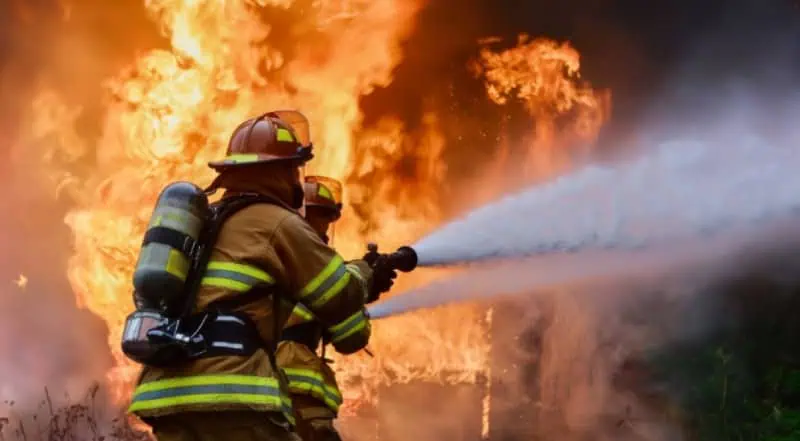
For safety managers and procurement professionals, NFPA 1970 should not be viewed as merely a compliance exercise. Instead, it represents a broader shift toward holistic firefighter protection.
Departments evaluating new PPE should verify that equipment is certified to NFPA 1970 and understand how changes in particulate protection, chemical restrictions, garment maintenance, and ensemble performance may affect purchasing decisions. Existing certified equipment may remain in service according to department policies and applicable requirements, but future product certifications are transitioning to the consolidated standard.
The Importance of Eye and Face Protection
While much of the discussion surrounding NFPA 1970 centers on turnout gear and respiratory protection, eye and face protection remain a critical component of overall firefighter safety. Helmets, face shields, goggles, and other protective devices must continue to meet applicable performance requirements and work effectively within the broader protective ensemble.
As firefighter PPE continues to evolve, manufacturers are increasingly focused on improving the integration and performance of the complete protective ensemble. This system-level approach aligns with NFPA 1970’s broader objective of enhancing firefighter protection through coordinated equipment design and testing.
Raising the Bar for Firefighter Safety
NFPA 1970 represents one of the most significant firefighter PPE updates in decades. By consolidating previously separate standards and placing greater emphasis on contamination control, particulate protection, cleanability, and system performance, the standard provides a more comprehensive framework for protecting today’s firefighters.
For departments planning future PPE purchases, now is the time to familiarize personnel with NFPA 1970 requirements and work closely with trusted manufacturers and distributors to ensure equipment selections align with the latest industry expectations for firefighter safety.
To learn more about NFPA 1970 and its impact on firefighter PPE, please contact us today.
Author

Latest entries
- October 14, 2026Arc Flash SafetyA Guide to Face & Eye PPE Inspection and Retirement
- September 8, 2026Tactical SafetyUnderstanding Impact Protection Levels in Paulson Tactical Shields
- August 17, 2026Firefighter SafetyA Guide to NFPA 1970: Understanding the New Firefighter PPE Requirements
- July 18, 2026Industrial SafetyEngineered for Extreme Heat (Part 2 of 2): Helios™ Heat Reflective Face Shields—Balancing Thermal Performance with Cost Effectiveness