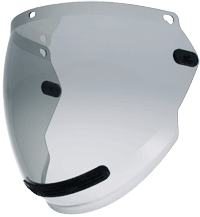
When law enforcement, military personnel, and tactical teams face unpredictable threats, selecting the correct protective equipment for the mission is critical. Not all tactical face shields and body shields deliver the same level of protection. Differences in impact ratings, shield thickness, fragmentation performance, and overall coverage can significantly influence operator safety in the field.
Impact Ratings Matter
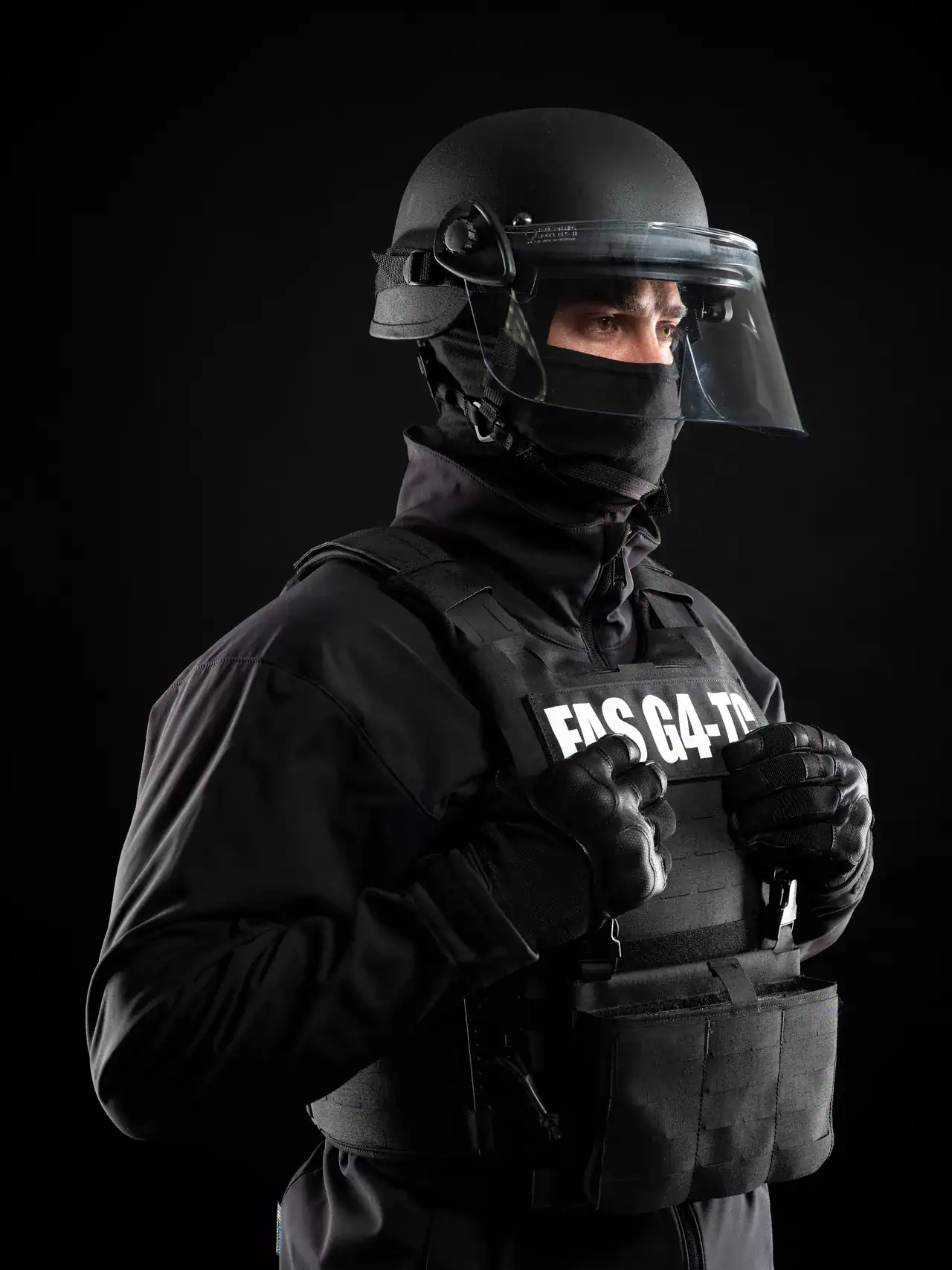
Not all face shields provide the same level of protection. Paulson tactical face shields are designed to meet NIJ 0104.02 performance criteria for tactical face protection. This helps ensure protection against flying debris, blunt-force impacts, and other operational hazards commonly encountered during riot control, forced entry, rescue operations, and tactical deployments.
Similarly, Paulson’s transparent tactical body shields are engineered to provide officers with an additional layer of protection during crowd management, riot response, corrections operations, and tactical interventions. Constructed from high-quality polycarbonate materials, these shields offer exceptional impact resistance while maintaining the optical clarity needed for situational awareness and threat assessment.
Understanding Face Shield Thickness
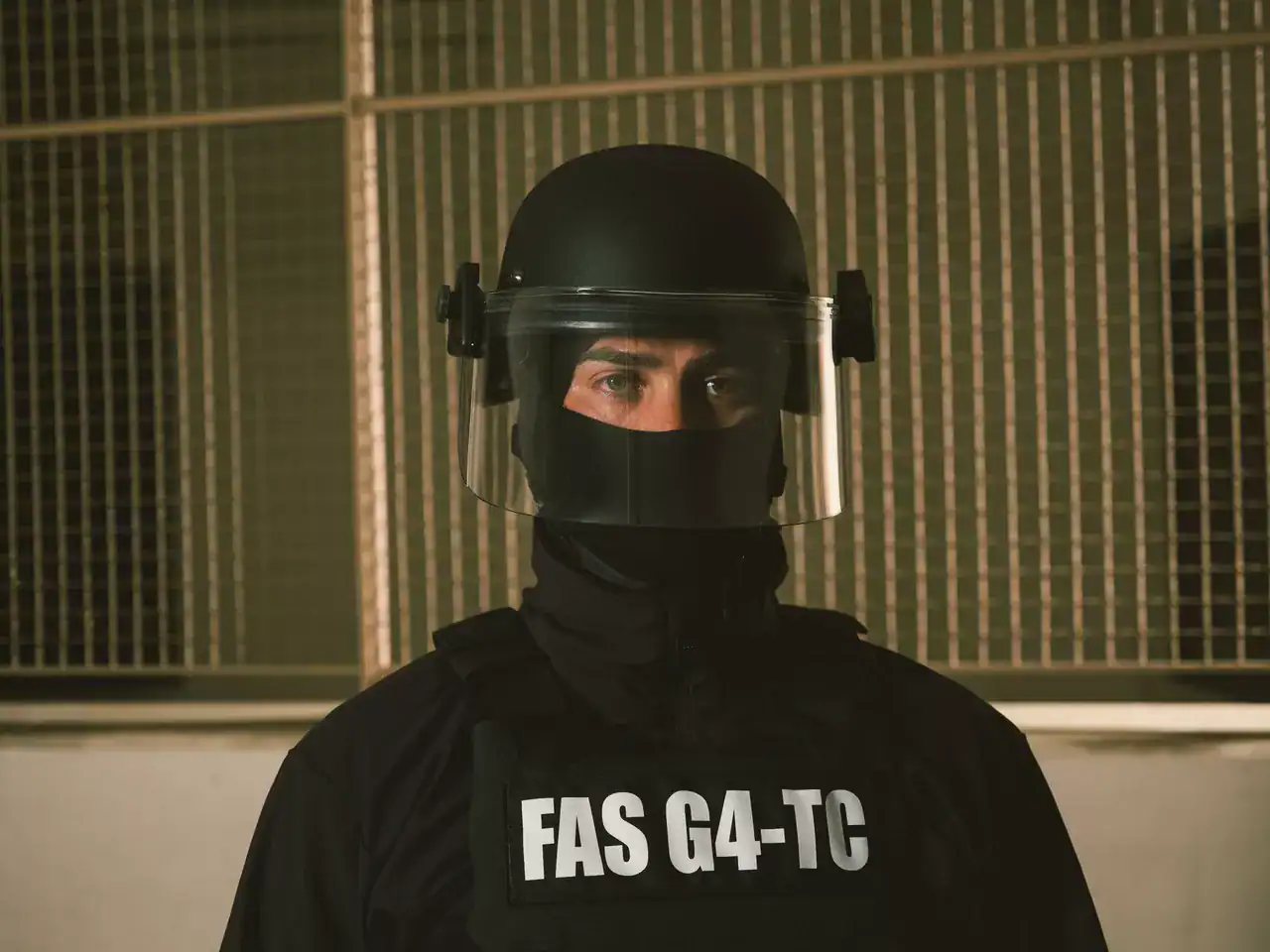
One of the most important distinctions among tactical face shields is lens thickness. Paulson commonly offers shields in two primary thickness categories:
0.150-inch Face Shields
- Designed for general impact protection.
- Features non-permanent antifog coatings and excellent optical clarity.
- Suitable for routine crowd management, correctional environments, and situations where fragmentation threats are lower.
0.250-inch Face Shields
- Thicker and more robust.
- Engineered to withstand higher-energy impacts.
- Includes a permanent antifog interior coating and an anti-abrasion exterior coating for extended service life.
- Designed for environments where fragmentation and elevated threat levels may be present.
The increased thickness of a 0.250-inch shield provides greater resistance to penetrating impacts and fragmentation, making it the preferred choice for higher-risk tactical missions.
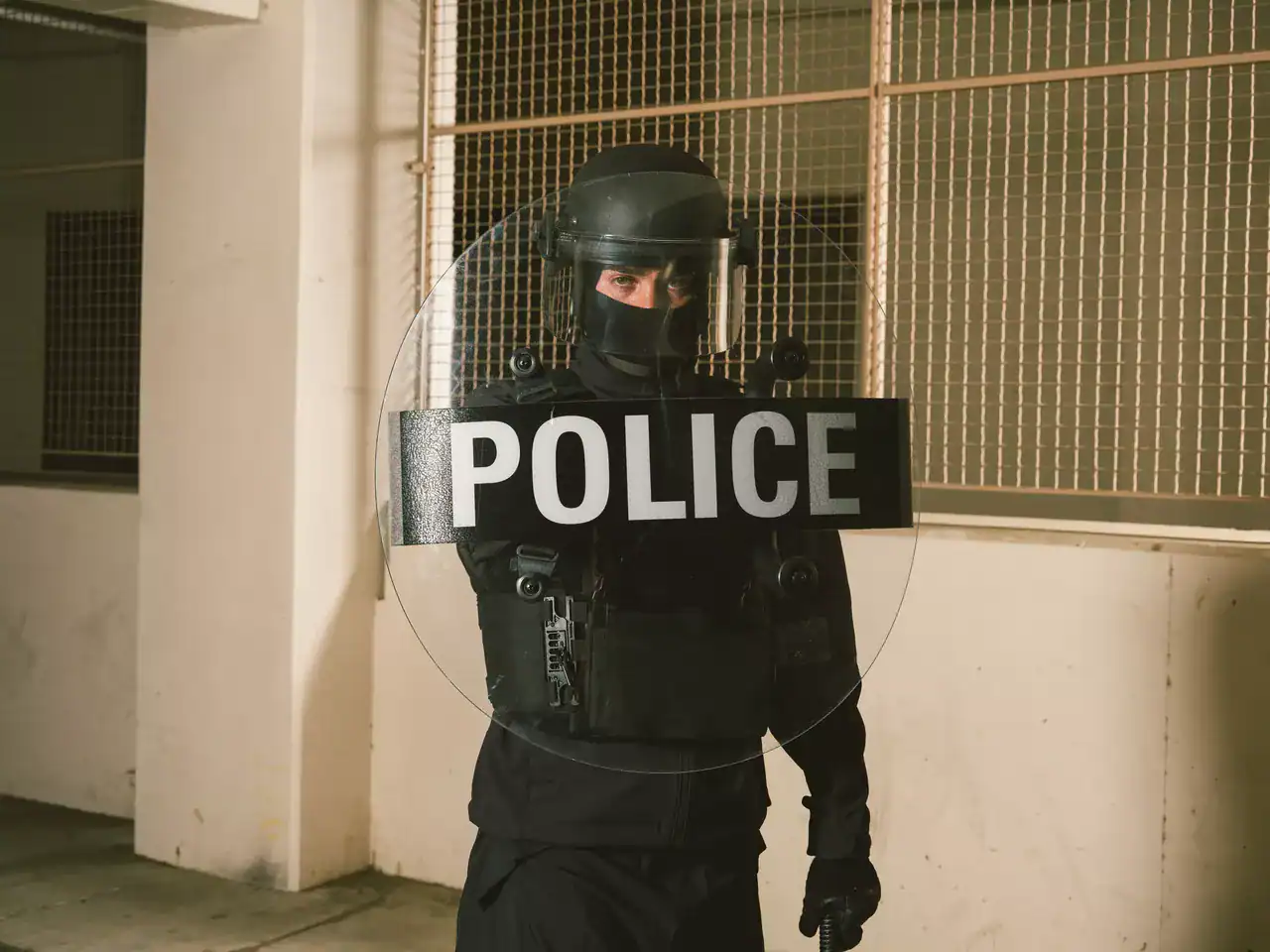
Understanding Body Shield Thickness
0.150-inch Body Shield
- Lightweight design for routine crowd management, corrections, and public order operations.
- Provides reliable impact protection while maximizing maneuverability and reducing operator fatigue.
- Excellent optical clarity for situational awareness.
0.250-inch Body Shield
- Thicker, more robust construction for higher-threat tactical environments.
- Enhanced resistance to high-energy impacts and fragmentation hazards.
- Ideal for riot control and tactical response teams requiring greater durability and protection.
1.25-inch Level IIIA Ballistic Body Shield
- Transparent ballistic shield designed to provide NIJ Level IIIA handgun-threat protection.
- Maintains a clear field of view for threat identification, communication, and situational awareness.
- Well suited for SWAT operations, high-risk warrant service, active threat response, and other specialized tactical missions.
What Does V-50 Rated Mean?
A key performance indicator for tactical face protection is the V-50 fragmentation rating. The V-50 test measures the projectile velocity at which a protective shield stops approximately 50% of incoming fragments. A face shield that achieves a V-50 rating has demonstrated enhanced resistance to fragmentation hazards, offering a higher level of protection than standard impact-rated shields. All Paulson tactical face shield models with a lens thickness of 0.250 inches, including DK5, DK6, and DK7 configurations, are V-50 rated for fragmentation protection.
Choosing the Right Level of Protection
Selecting the proper shield depends on the operational threat assessment:
- Basic Impact Protection: 0.150-inch shields for everyday tactical and correctional applications.
- Enhanced Tactical Protection: 0.250-inch shields with premium coatings for higher-impact environments. V-50-rated for missions where fragmentation threats are a concern.
Paulson Manufacturing’s face and body shield lineup allows agencies to match protection levels to mission requirements while maintaining optical performance, comfort, and compatibility with modern tactical gear. For professionals operating in high-risk environments, understanding impact ratings, shield thickness, and V-50 performance is essential to making the right protective equipment decision.
To learn more about our lineup of high impact tactical PPE, please contact us today.
Author

Latest entries
- October 14, 2026Arc Flash SafetyA Guide to Face & Eye PPE Inspection and Retirement
- September 8, 2026Tactical SafetyUnderstanding Impact Protection Levels in Paulson Tactical Shields
- August 17, 2026Firefighter SafetyA Guide to NFPA 1970: Understanding the New Firefighter PPE Requirements
- July 18, 2026Industrial SafetyEngineered for Extreme Heat (Part 2 of 2): Helios™ Heat Reflective Face Shields—Balancing Thermal Performance with Cost Effectiveness